Protective clothing free shipping, delivered within 5-7 days >>>
Company Tel: +86 755 27087205 Mobile: +86 13662677207 (Same number for WeChat) Email: yy@youyigarment.com

Company Tel: +86 755 27087205 Mobile: +86 13662677207 (Same number for WeChat) Email: yy@youyigarment.com
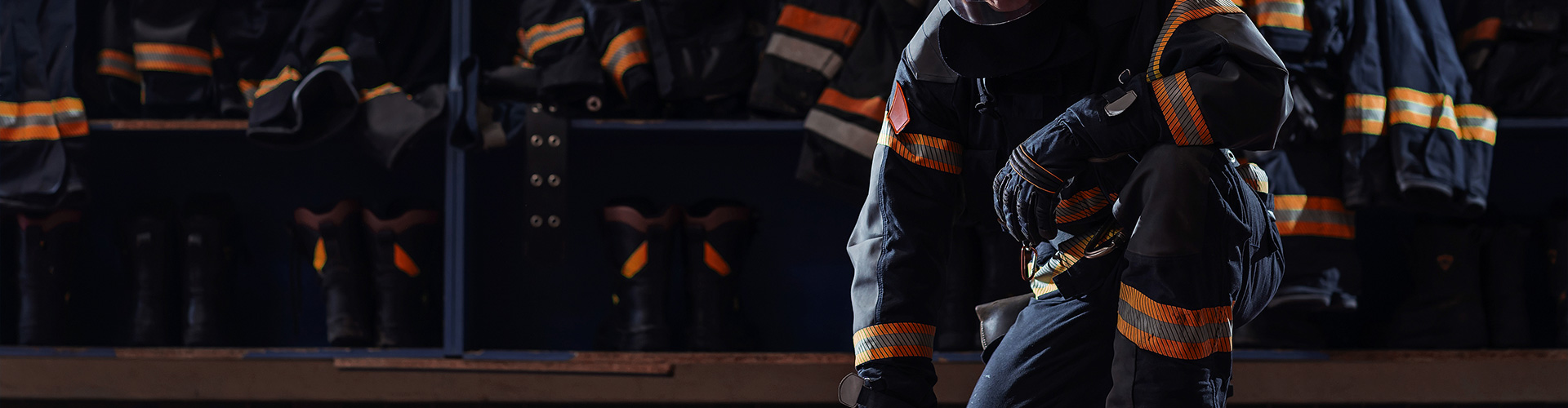
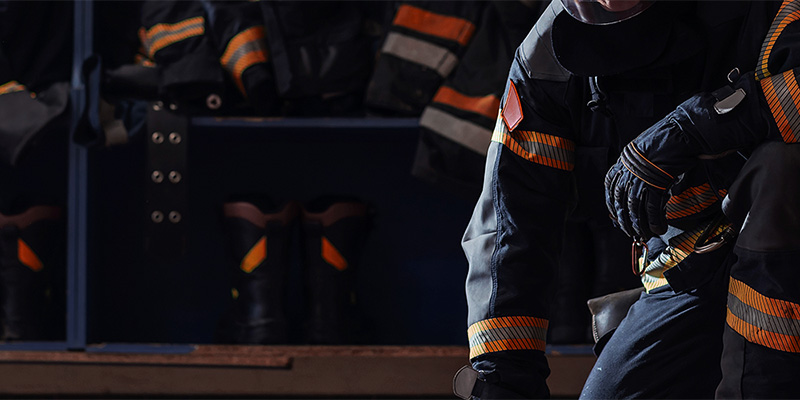
In petrochemical, gas, dust workshop and power maintenance scenarios, protective clothing worn by workers in winter often carries two functions simultaneously: preventing static accumulation that could cause ignition, and slowing combustion while avoiding melt dripping under sparks or brief open flame. The service life of anti-static flame resistant winter workwear is not a fixed number; it is determined jointly by the durability of the materials themselves, washing methods, work environment severity and daily management practices. Understanding how these factors act on fabric performance is the prerequisite for judging when replacement is due, and it is also the basis for budgeting protective equipment and planning procurement cycles.
From the material side, the aging mechanisms of the two functions differ. Flame resistance can be carried by inherently flame resistant fibers or by post-finishing agents. Inherently flame resistant fibers such as aramid, modified acrylic and flame retardant viscose derive heat resistance from molecular structure, degrading slowly with washing and years of use, though they are affected by mechanical friction, ultraviolet radiation and chemical media, shown as declining strength, fuzzing and fading. Post-finishing flame resistance relies on agents on and within the fibers, and its effectiveness is more sensitive to wash cycles; after repeated industrial laundering the agents gradually leach out, and afterflame time and damaged length may worsen. Life expectancy for the two material types cannot be generalized, and judgment should rely on the wash cycle limits and post-wash performance data stated in product documentation.
Degradation of antistatic function follows a more concealed path. A common approach blends conductive fibers into the fabric so that a conductive network between fibers dissipates charge. Carbon black composite conductive fibers offer better wash durability; surface metallized types may suffer coating wear from prolonged friction and washing, raising surface resistance. In addition, oil stains, dust and insulating dirt deposits block conductive paths so measured resistance deviates from initial values. Such contamination-type failure is often recoverable by cleaning, but repeated heavy contamination accelerates material degradation. Relative humidity in the workplace also affects static dissipation efficiency, and performance fluctuates more in dry seasons, so testing should be conducted under specified temperature and humidity conditions rather than by feel.
Washing and maintenance are the most directly controllable factors affecting service life. Mechanical action, temperature, detergent type and drying method in industrial laundering all act on the fabric. Chlorine bleach may damage the flame resistant system and harm fibers; fabric softeners form an isolating film on fiber surfaces that affects moisture absorption and may block conductive paths; excessively high drying temperatures accelerate fiber aging and shrinkage. The correct approach follows product care labels, controls wash temperature and cycles, avoids mixing with ordinary laundry to prevent cross contamination, and records post-wash performance. Organizations with the capability may adopt validated industrial laundering processes and require service providers to supply process parameters and sampling results.
Work intensity and environmental conditions likewise shorten or extend service life. Frequent mechanical friction, such as climbing, carrying and working close to equipment, aggravates fabric wear, and elbows, cuffs and knees are often the first failure points. Prolonged ultraviolet exposure reduces fiber strength. Contact with acids, alkalis and solvents may directly destroy flame resistance and antistatic function; if noticeable chemical contamination occurs, scrapping should be evaluated rather than continued use after cleaning. Radiant heat near high-temperature work surfaces also accelerates material aging. By comparison, garments used indoors at moderate temperature in light-duty roles last longer, while outdoor heavy-duty roles require shorter replacement cycles.
Judging whether replacement is needed should combine testing with inspection rather than appearance alone. Routine inspection focuses on visible defects: fabric damage, seam separation, charring marks, exposed filling, detached reflective strips and zipper failure. Periodic verification focuses on performance indicators: flame resistance can be confirmed by submitting samples for afterflame time, afterglow time and damaged length compliance; antistatic performance is assessed via surface resistance or charge decay testing; where arc protection is involved, thermal protective value also requires periodic retesting. Organizations can set retest intervals according to role risk levels, shortening intervals for high-risk roles and retaining test records as the basis for replacement.
Management systems determine whether service life management can be implemented. A closed-loop ledger covering issuance, use, washing, inspection, retesting and retirement is advisable, assigning batch numbers and commissioning dates to each lot and recording wash counts and test results. Retirement criteria should be explicit, such as illegible flame resistance markings, failed retests, through-thickness fabric damage or severe chemical contamination. The practice of repairing and continuing to wear should be avoided, since repair materials and methods may not provide equivalent protection. At procurement, suppliers should be asked for wash cycle statements, post-wash performance data and applicable standards, with contract terms covering batch consistency and quality traceability to support later service life management.
Overall, the service life of anti-static flame resistant winter workwear results from the combined influence of material durability, washing methods, work intensity and management level. Understanding service life as "use until it breaks" is inappropriate; a more reasonable approach sets risk-based inspection and retest milestones and uses verifiable data to decide replacement timing. This avoids both the protection gaps of overdue use and the unnecessary outlay of premature replacement, keeping protective equipment reliable throughout its service cycle.


© 2026 Youyi Protection Privacy and Security

 CN
 Return
