Protective clothing free shipping, delivered within 5-7 days >>>
Company Tel: +86 755 27087205 Mobile: +86 13662677207 (Same number for WeChat) Email: yy@youyigarment.com

Company Tel: +86 755 27087205 Mobile: +86 13662677207 (Same number for WeChat) Email: yy@youyigarment.com
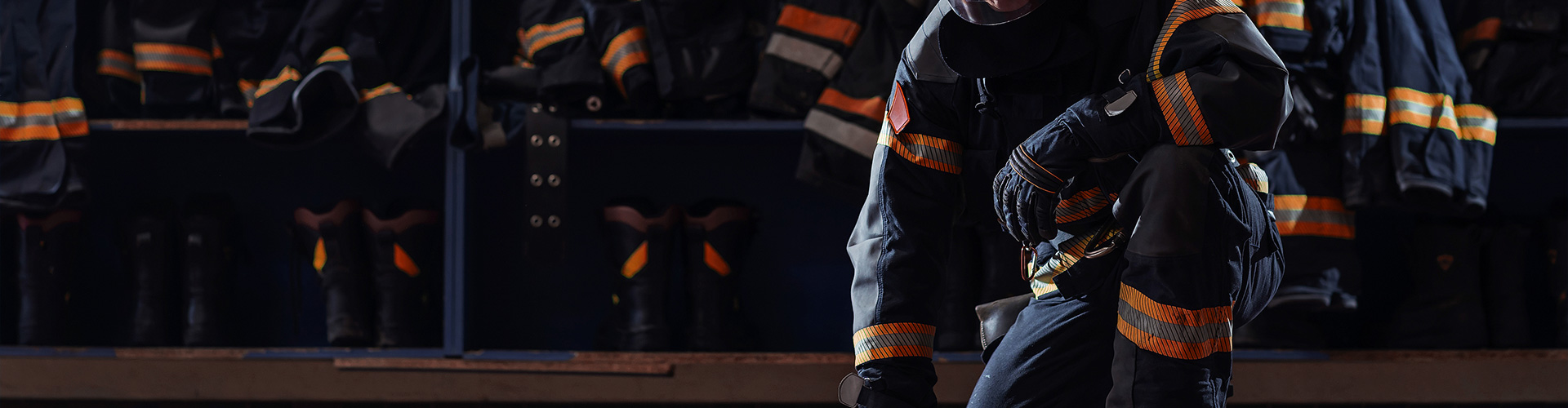
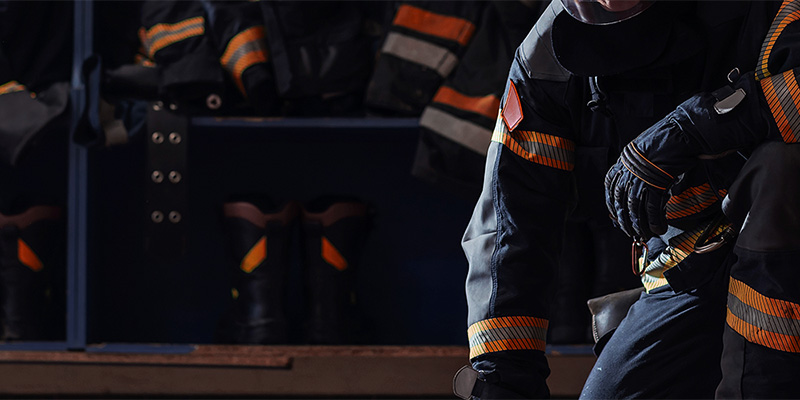
Electric power operation and maintenance, high-voltage power distribution, electrical maintenance and other working scenarios are constantly faced with arc flash hazards. Instant high-temperature heat energy, shock waves and strong light released by electric arcs are highly likely to cause severe burns to personnel, ranking as one of the high-frequency and high-risk hidden dangers in the electrical industry. As the core personal protective equipment that isolates arc thermal injury and resists open flame burns, arc flash flame retardant suits fully rely on standardized testing systems to guarantee protective performance, durability and safety stability. Different from ordinary flame retardant work clothes, special electrical protective garments must pass multiple sets of authoritative tests including special arc thermal protection test, flame retardant performance test, physical mechanical durability test and working condition adaptability verification, and meet domestic and international authoritative standards before being applied to high-risk high-voltage electrical working scenarios. Systematic and standardized testing procedures serve as a core technical barrier to prevent unqualified protective products from entering the market and protect the personal safety of frontline electrical operators.
At present, a complete two-way standardized testing system has been formed in the industry, covering domestic national specifications and international universal criteria, providing quantitative basis for product testing. Domestic testing is mainly based on GB 8965.4—2022 Protective Clothing-Arc Protection Suits, which clarifies fabric performance, finished garment structure, testing methods and judgment thresholds. International testing follows mainstream specifications such as ASTM F1506, NFPA 2112 and IEC 61482, unifying arc classification, thermal protection value calculation and durability testing standards. The complete testing system consists of two major modules: routine factory inspection and annual type inspection. Factory inspection focuses on conventional indicators such as appearance, size and basic sewing performance to ensure batch product consistency. Type inspection covers full-range core performance tests, conducting in-depth verification of material aging, performance attenuation and extreme working condition tolerance, acting as the key basis for judging whether products are suitable for high-risk arc working conditions.
The arc thermal protection performance test is the core item of the entire testing system, which directly determines the arc protection level of equipment. Based on the ASTM F1959 test method, this test accurately measures two core parameters of fabrics: arc thermal performance value and break threshold energy. By simulating instantaneous high-temperature impact of real arc flash, it calculates the ultimate ability of fabrics to resist thermal radiation. During the test, the equipment simulates arc incident energy of different levels and records the critical values of specimen damage, melting and penetration. Finally, the minimum value of the two indicators is adopted as the basis for judging the product protection level. Meanwhile, the test strictly follows the incident energy limit standard to clarify the safe energy threshold that products can withstand, preventing false marking of protection levels. All qualified products will be marked with corresponding arc protection levels according to test results, adapting to electrical operation scenarios of different voltage levels and fundamentally avoiding arc thermal burn risks.
The special flame retardant performance test serves as the basic safety indicator to prevent secondary injury risks under extreme working conditions. In accordance with the GB/T 5455 vertical flame test standard, independent tests are carried out on all components of finished garments including fabrics, accessories and sewing threads, focusing on verifying three key parameters: afterflame time, afterglow time and damage length. Qualified specimens must meet the rigid requirements of rapid self-extinguishing, no continuous combustion and no molten dripping, eliminating secondary skin burns caused by falling high-temperature molten substances. To fit actual long-term service conditions, the flame retardant test includes dual tests on new specimens and washed specimens. After 25 standard washing cycles, the products will undergo repeated combustion tests to ensure that flame retardant additives will not fall off or fail, and the flame retardant performance remains stable after long-term use and repeated cleaning, avoiding potential safety hazards caused by attenuated protection of old equipment.
Physical mechanical and structural durability tests ensure the integrity of protective equipment under dynamic working conditions. Electrical operations mostly involve climbing, maintenance and dynamic manipulation, requiring protective clothing to have excellent loss resistance. Therefore, the testing system includes multiple tests such as seam breaking strength, sewing thread heat resistance, fabric tear resistance and wear aging resistance. As the weak part of finished garments, sewing structures need to pass high-temperature heat resistance and tensile strength tests to ensure no thread breakage or cracking under arc high-temperature impact. Fabrics must pass repeated friction and bending aging tests to prevent damage and embrittlement during long-term wearing. Meanwhile, standardized verification is conducted on finished garment size, version structure, protective flaps, zipper sealing and other details to ensure the garments fit the human body without protective blind spots, and the structural strength adapts to high-intensity dynamic operations, preventing protection failure caused by structural defects.
Environmental tolerance and working condition adaptability tests verify the protection stability of products in complex scenarios. High-voltage electrical operations cover various scenarios such as indoor power distribution rooms, outdoor substations and humid underground environments. Temperature and humidity fluctuations, humid corrosion and day-night temperature differences will affect protective performance. Special environmental simulation tests verify the performance stability of fabrics under extreme temperature and humidity through high and low temperature cycles and humid aging tests, ensuring no hardening, softening or significant attenuation of protection indicators. Meanwhile, targeting outdoor rain, snow and dust working conditions, the tightness and surface pollution and corrosion resistance of garments are tested to maintain stable protection performance in complex environments and meet the all-weather protection requirements of electrical operations.
Finished product traceability and label compliance testing improves the closed-loop safety management system. Qualified protective products must complete full testing traceability. All test data, performance parameters, protection levels, implementation standards and maximum washing times are marked on product labels to realize traceable performance and working condition adaptation. The testing process strictly verifies label authenticity to prevent false marking, virtual level calibration and parameter tampering, ensuring evidence-based enterprise procurement, personnel wearing and safety inspection. Standardized label testing not only standardizes industry product quality, but also helps employers accurately match protective equipment according to operating voltage levels and arc risk levels, realizing accurate and compliant protection.
The complete and standardized testing process forms the quality bottom line for arc flash protective equipment, thoroughly solving industry chaos such as uneven product performance, confusing protection levels and insufficient durability. Comprehensive multi-dimensional testing controls product quality from fabric base material, functional performance, structural strength, durability and environmental adaptability, ensuring every factory product can effectively resist multiple risks including arc flash, high-temperature open flame and dynamic wear. With the continuous upgrading of electrical safety production standards, the improved testing system is not only a necessary condition for compliant product launch, but also a core support for protecting the life safety of electrical operators and promoting the standardized and refined development of safety production in the power industry.


© 2026 Youyi Protection Privacy and Security

 CN
CN Return