Protective clothing free shipping, delivered within 5-7 days >>>
Company Tel: +86 755 27087205 Mobile: +86 13662677207 (Same number for WeChat) Email: yy@youyigarment.com

Company Tel: +86 755 27087205 Mobile: +86 13662677207 (Same number for WeChat) Email: yy@youyigarment.com
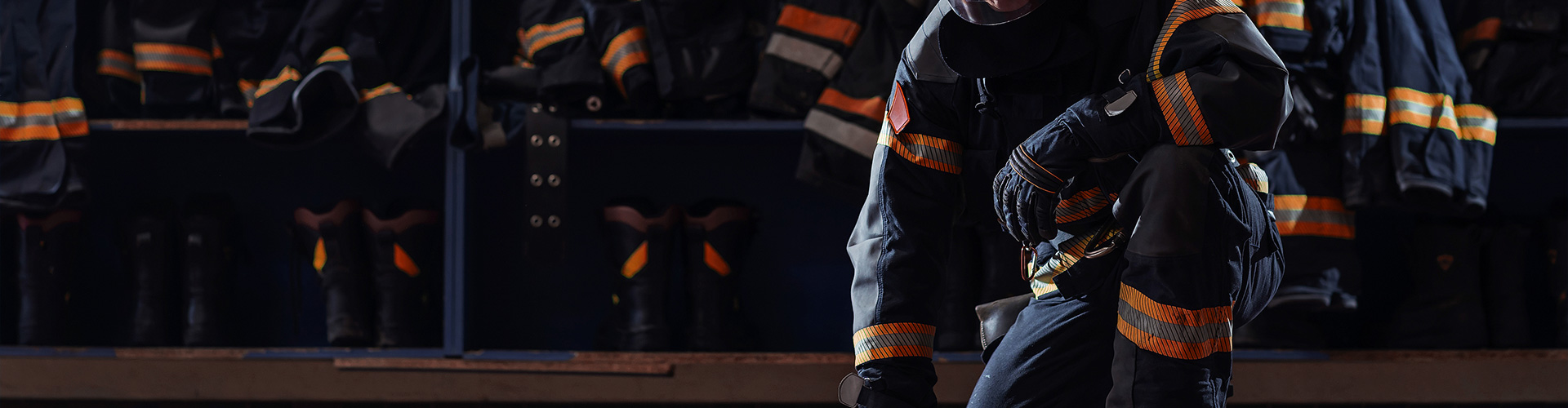
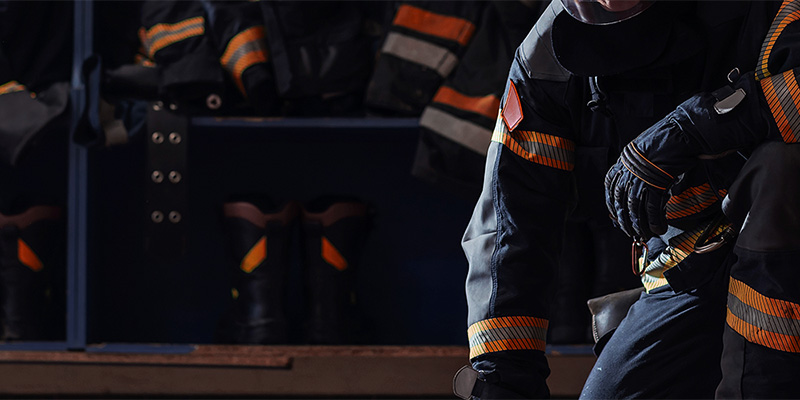
As core personal protective equipment for high-risk industries such as petrochemicals, energy, lithium batteries, chemical engineering and dust workshops, the conductive flame retardant suit is developed to solve typical industry pain points of traditional protective garments, including insufficient static conductivity of flame-retardant fabrics, poor high-temperature resistance of anti-static materials, and poor comfort despite strong protection. In complex working conditions with flammable and explosive substances, high-temperature heat sources and static enrichment, single-function protection can no longer meet the strict requirements of modern safety production. Therefore, this conductive flame retardant suit adopts the core R&D concept of stable functional coupling, strong environmental adaptability, long-term durability and lightweight comfort. It realizes systematic technical iteration from four key dimensions: fabric formula, fiber structure, conductive system and garment manufacturing technology, achieving high compatibility and long-term stability of both flame retardancy and static conductivity.
In terms of core fabric R&D, the R&D team abandons traditional blending and splicing technology and adopts integrated functional fiber composite weaving technology. By selecting intrinsic flame-retardant fiber substrates and conducting polymerization modification with high-temperature resistant additives, the fabric obtains permanent flame-retardant properties without post-coating or impregnation treatment, fundamentally solving common defects of traditional suits such as flame retardant failure, coating peeling, hardening and embrittlement after repeated washing. Meanwhile, to eliminate industrial static accumulation, the team optimizes the embedding scheme of conductive fibers. High-toughness carbon conductive fibers are evenly embedded into the fabric structure in a fixed-point and equidistant manner to form a fully connected static conductive network. This structure can quickly release static charges generated by friction, reduce surface resistivity, and prevent explosion hazards caused by static sparks. The permanent anti-static performance is hardly affected by washing, wear and temperature-humidity changes.
In terms of craftsmanship and structural R&D, the team optimizes the structure based on the design principle of uncompromised protection and unrestricted movement. Targeting the stuffiness and poor air permeability of traditional flame-retardant fabrics under high temperature, the warp and weft density and pore structure of the fabric are adjusted to greatly improve air permeability and moisture permeability on the premise of ensuring flame retardancy, heat insulation and tear resistance, reducing sweating and working fatigue. Combined with ergonomic data, the suit optimizes the cut, joint structure and hem tightness according to frequent working movements such as bending, climbing, lifting and squatting, eliminating tightness and restraint during operation. All seams are sewn with high-strength flame-retardant threads, and key stress parts are reinforced to improve tear resistance, wear resistance and tensile resistance, suitable for long-term and high-intensity industrial operations.
In terms of performance verification and iteration, the suit has undergone multiple strict tests in accordance with national and industrial protection standards, covering flame combustion, smoldering, melting dripping, surface resistivity, washing durability, high-temperature aging resistance and tearing strength, ensuring stable dual performance of flame retardancy and static conductivity. The team conducts scenario-based adaptation debugging for different working environments and optimizes performance stability under high and low temperatures, solving technical problems such as low-temperature embrittlement, high-temperature softening and poor static discharge in humid environments. Breaking the limitations of single function, fast performance attenuation and weak adaptability of traditional protective equipment, this suit realizes the compatibility of multiple protective functions through integrated composite technology. It provides long-term, stable and reliable professional protection solutions for high-risk industrial scenarios and helps enterprises build a standardized and refined safety production protection system.


© 2026 Youyi Protection Privacy and Security

 CN
CN Return