Protective clothing free shipping, delivered within 5-7 days >>>
Company Tel: +86 755 27087205 Mobile: +86 13662677207 (Same number for WeChat) Email: yy@youyigarment.com

Company Tel: +86 755 27087205 Mobile: +86 13662677207 (Same number for WeChat) Email: yy@youyigarment.com
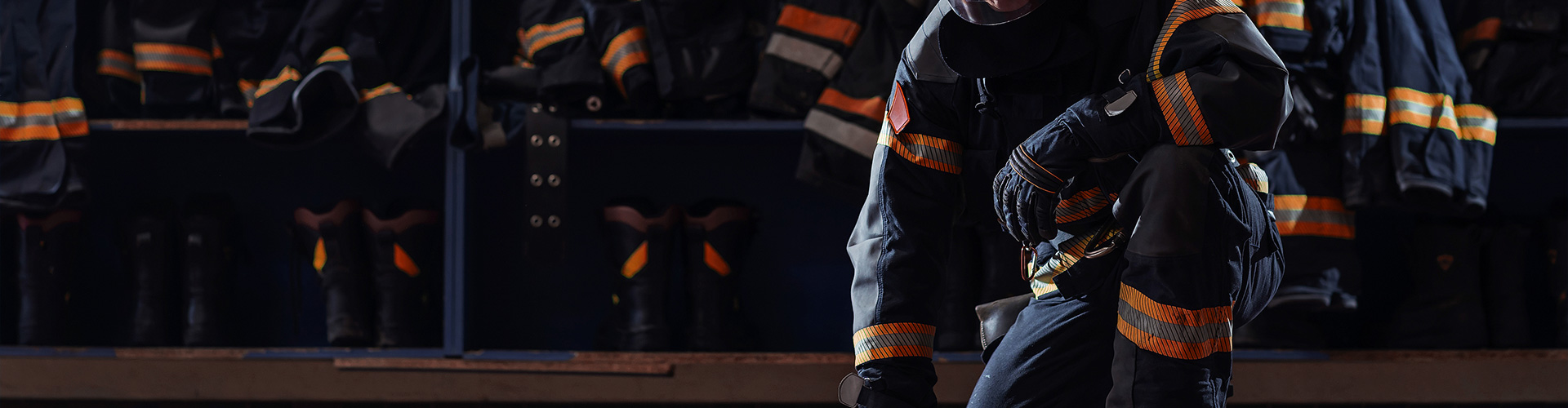
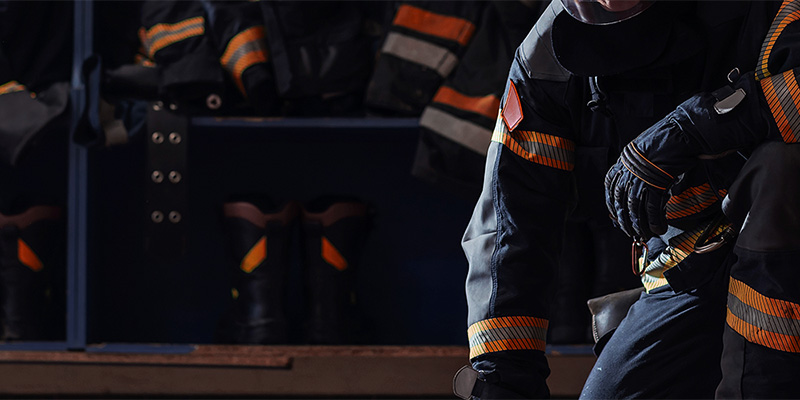
In high-risk operation scenarios such as electric power, chemical industry, welding, metallurgy, and oil and gas exploitation, work clothes are no longer simple operational garments, but the first line of defense protecting the lives of staff. Standard flame retardant coveralls often fail to meet the differentiated operational needs of various industries and positions. In contrast, custom flame retardant coveralls break the limitations of universal work clothes through exclusive design, refined craftsmanship, and high-standard protection performance. They balance safety, fitness, comfort and durability, serving as the core protective standard for industrial high-risk operations and comprehensively solving various pain points of enterprise operational protection.
Tailored to fit diverse operational scenarios is one of the core advantages of custom flame retardant coveralls. High-risk industries differ greatly in operational environments, operating specifications and risk types. Universal flame retardant coveralls feature fixed versions and single functions, often causing problems such as bloated fits, limited movement and insufficient detailed protection. Custom flame retardant coveralls support one-on-one exclusive design according to enterprise job characteristics, operational processes and site environments, with flexible adjustments in version cutting, structural design and functional configuration. For welding positions, anti-scald patches and tightened cuffs can be added to prevent sparks from penetrating and burning the skin; for chemical and oil-gas positions, the sealing structure of collars, hems and zippers is optimized to block the intrusion of corrosive gases and splashing materials; for high-altitude and equipment operation positions, redundant structures are simplified and the cutting of shoulders, backs and waists is optimized to ensure flexible limb movement. Meanwhile, custom sizes, colors, logos, employee numbers and exclusive marks are available to comply with operational safety specifications, unify enterprise image, and realize dual values of protection and brand display.
High-standard flame retardant performance builds a rigid safety barrier, constituting the core competitiveness of custom coveralls. Custom flame retardant coveralls adopt high-quality professional flame retardant fabrics. Different from inferior flame retardant coating technology, they use intrinsic fiber flame retardant technology, delivering long-lasting, wash-resistant and non-fading flame retardant effects. The fabrics can extinguish open flames quickly on contact, effectively isolating flames, high temperature, sparks and splashing molten metals to prevent flame spread and human burns. They can also withstand short-term high-temperature exposure, greatly reducing the risk of burns and scalds for operators. All customized products strictly comply with national industrial protection standards and pass multiple tests for flame retardancy, high temperature resistance and tear resistance. With stable and up-to-standard protection indicators, they can accurately meet the high-intensity protection needs of various high-risk scenarios and provide all-round and highly reliable safety guarantees for frontline staff.
Balancing comfort, air permeability and durability, the coveralls adapt to long-term high-intensity work. To pursue protection performance, traditional flame retardant work clothes usually adopt thick, stiff and poorly breathable fabrics, causing stuffiness, fatigue and limited movement for staff wearing them for a long time, thus affecting work efficiency. While strengthening protection performance, custom flame retardant coveralls optimize fabric ratio and craftsmanship. They select soft, elastic, moisture-wicking and breathable functional flame retardant fabrics, which retain flame retardant, high temperature resistant and corrosion resistant properties while improving skin friendliness and air permeability. The fabrics can quickly discharge sweat generated during work, eliminating stuffiness and stickiness. In addition, reinforced stitching, double-layer splicing and wear-resistant patch craftsmanship are adopted for easily worn and stretched parts such as joints, knees, shoulders and elbows, effectively improving tear resistance, wear resistance and tensile resistance, extending service life significantly, reducing enterprise replacement costs, and balancing wearing experience and cost performance.
Refined detailed design avoids potential operational safety hazards in all aspects. Focusing on various detailed pain points of high-risk operations, custom flame retardant coveralls are optimized with humanized safety details. Equipped with explosion-proof flame retardant zippers and hidden buttons, they avoid safety hazards caused by sparks from metal friction. Multi-functional hidden pockets are designed to facilitate staff to store tools and accessories, preventing hidden dangers caused by external items interfering with operation. Adjustable and tighten-able cuffs and trouser legs adapt to different operational scenarios and avoid equipment hooking and sundry contamination caused by loose clothes. Meanwhile, the fabrics have excellent anti-static, anti-radiation and acid-base resistant properties, and multiple protective functions can be superimposed according to operational environments to meet the comprehensive protection needs of complex high-risk scenarios in one stop.
For industrial high-risk enterprises, operational safety is the bottom line of production and development. With exclusively tailored design, reliable rigid protection, comfortable and durable quality, and comprehensive detailed optimization, custom flame retardant coveralls perfectly meet the differentiated job protection needs. They not only protect the personal safety of frontline staff, but also standardize the enterprise operational system, improve enterprise safety management level and brand image, serving as an indispensable safety protection necessity for industrial high-risk operation scenarios.


© 2026 Youyi Protection Privacy and Security

 CN
CN Return