Protective clothing free shipping, delivered within 5-7 days >>>
Company Tel: +86 755 27087205 Mobile: +86 13662677207 (Same number for WeChat) Email: yy@youyigarment.com

Company Tel: +86 755 27087205 Mobile: +86 13662677207 (Same number for WeChat) Email: yy@youyigarment.com
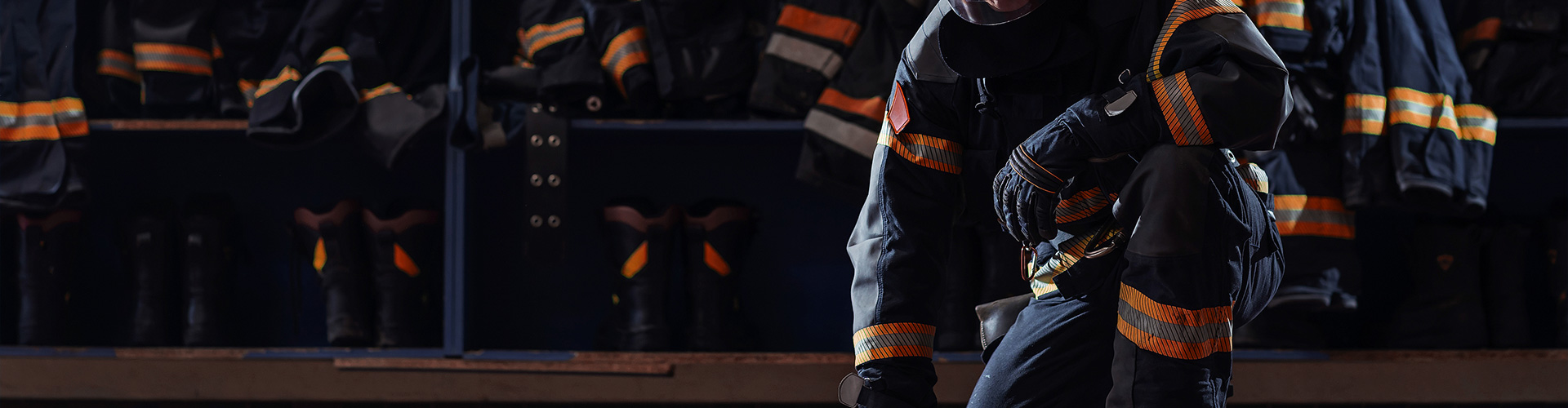
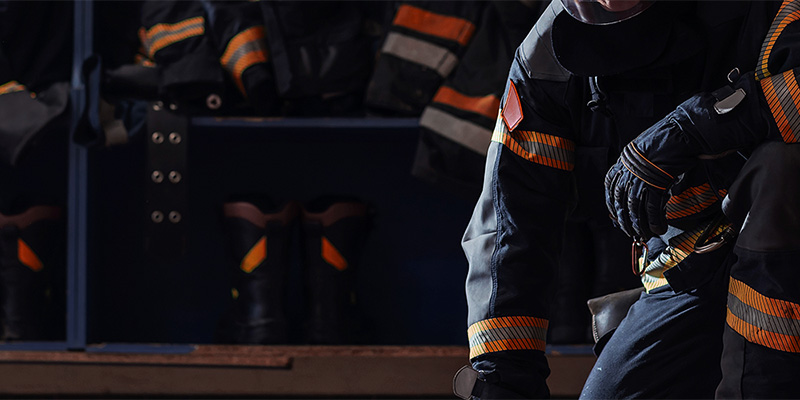
Fire rescue belongs to an extremely high-risk operation scenario. The fire site is usually accompanied by multiple superimposed hazards such as high-temperature heat waves, open flame burns, thermal radiation impact, thick smoke, molten residue splashes and chemical corrosion. The personal safety of rescuers relies entirely on the comprehensive performance of professional protective clothing as the final safety barrier. Different from ordinary industrial flame retardant work clothes, professional fire fighting clothing is designed centered on actual combat safety protection. Through a multi-layer composite structure, special functional fabrics, sealed protection technology and strict finished product testing, it builds an all-round safety protection system with high temperature resistance, burn resistance, penetration resistance and tear resistance, which can continuously protect the lives of operators in sudden, complex and extreme fire environments.
High temperature resistance and thermal insulation protection is the most fundamental and core safety indicator of fire fighting clothing. The temperature of fire scenes changes rapidly, and instantaneous high-temperature airflow and continuous thermal radiation are likely to cause surface burns and internal heat damage to the human body. High-quality fire fighting clothing adopts a multi-layer composite structure. The outer layer is made of ultra-high heat-resistant aramid material with an extremely high thermal decomposition temperature, which can directly resist open flame contact and high-temperature impact without burning, melting or dripping, effectively isolating external high-temperature heat sources. The middle thermal insulation layer adopts a fluffy flame retardant fiber structure that locks static air, greatly reduces heat conduction efficiency, blocks inward heat penetration, and avoids heat stress, high-temperature heatstroke and deep scalds of operators during long-term operations. The inner skin-friendly layer is soft and breathable, which can absorb sweat generated during operation, balancing safety and comfort during high-intensity work.
Tear-resistant and impact-resistant structural protection is a key safety design adapted to complex obstacle environments at fire scenes. Fire sites are filled with collapsed building materials, sharp metals, broken glass and rough walls, which easily hook, rub and tear ordinary protective clothing. Insufficient fabric strength will directly lead to protection failure and greatly increase the risk of injury. Professional fire fighting clothing strengthens safety performance from both material selection and structural technology. The fabric adopts a high-density warp and weft weaving process and intertwined polymer fiber structure, which greatly improves breaking strength and tear resistance, delivering excellent friction, tensile and impact resistance. High-frequency wear and stress areas such as shoulders, elbows, knees and hems adopt double-layer reinforcement technology. All seams are double-stitched and back-stitched with high-strength flame retardant threads to prevent cracking and damage, ensuring complete structural integrity and uninterrupted protection during climbing, dragging and strenuous rescue movements.
Penetration and corrosion resistance effectively copes with high-risk chemical hazards at fire scenes. In modern building and warehouse fire scenarios, the combustion of paints, plastics and chemical raw materials produces a large number of corrosive flue gas and toxic liquid residues. Fire site water mixed with various impurities also brings potential corrosion and penetration risks. Ordinary protective fabrics have large pores, allowing liquid and smoke to easily penetrate and contact the skin, causing chemical burns, skin corrosion and toxin invasion. High-quality fire fighting clothing adopts special densification and anti-penetration finishing technology. The compact and uniform fiber structure with stable hydrophobic and anti-penetration performance can effectively block the penetration of liquid impurities, corrosive liquids and toxic flue gas to avoid chemical damage. Meanwhile, the fabric features acid and alkali resistance and aging resistance, maintaining stable protection performance without embrittlement or performance attenuation after long-term contact with complex fire site media.
The fully sealed closed-loop structural design completely eliminates protection blind spots. Many safety accidents are caused by thermal airflow intrusion through structural gaps such as cuffs, collars, plackets, pockets and zippers. Standardized fire fighting clothing adopts a full-body closed-loop protection structure. Flame retardant edging at the collar fits closely to block smoke invasion; tightened cuffs and trouser legs form seamless connection with protective gloves and boots; the overlapping double-layer placket with high-temperature resistant accessories prevents the penetration of open flame and high-temperature airflow. In addition, the clothing has no exposed hollow structure or flammable hidden spaces, avoiding flame retention and re-ignition, eliminating protection loopholes in all directions and building a complete full-body safety protection system.
A strict finished product safety testing system is the final guarantee of practical protection reliability. Before delivery, all protective clothing undergoes a complete set of tests simulating real fire environments, including vertical flame tests, thermal radiation protection tests, thermal convection impact tests, fabric strength tests, washing durability tests and anti-penetration tests. Multiple cycles of high and low temperature tests and mechanical friction tests simulate long-term operational loss, ensuring stable protective parameters without performance attenuation or aging after repeated use and cleaning. The standardized quality control process eliminates batch quality differences and ensures all finished products meet practical safety standards for fire rescue, emergency disposal and other high-risk operations.
In the field of emergency safety protection, the reliability of protective clothing is directly related to life safety. With a scientific multi-layer protection structure, high-strength wear-resistant materials, sealed safety technology and strict testing standards, professional fire fighting clothing can effectively cope with various complex extreme fire risks, resisting high temperature, flame, impact, corrosion and penetration in all dimensions and providing solid safety guarantees for frontline rescuers. Standardized production processes and safety standards continuously improve the practical adaptability of protective equipment and consolidate the foundation for the safe and stable development of the emergency rescue industry.


© 2026 Youyi Protection Privacy and Security

 CN
CN Return