Protective clothing free shipping, delivered within 5-7 days >>>
Company Tel: +86 755 27087205 Mobile: +86 13662677207 (Same number for WeChat) Email: yy@youyigarment.com

Company Tel: +86 755 27087205 Mobile: +86 13662677207 (Same number for WeChat) Email: yy@youyigarment.com
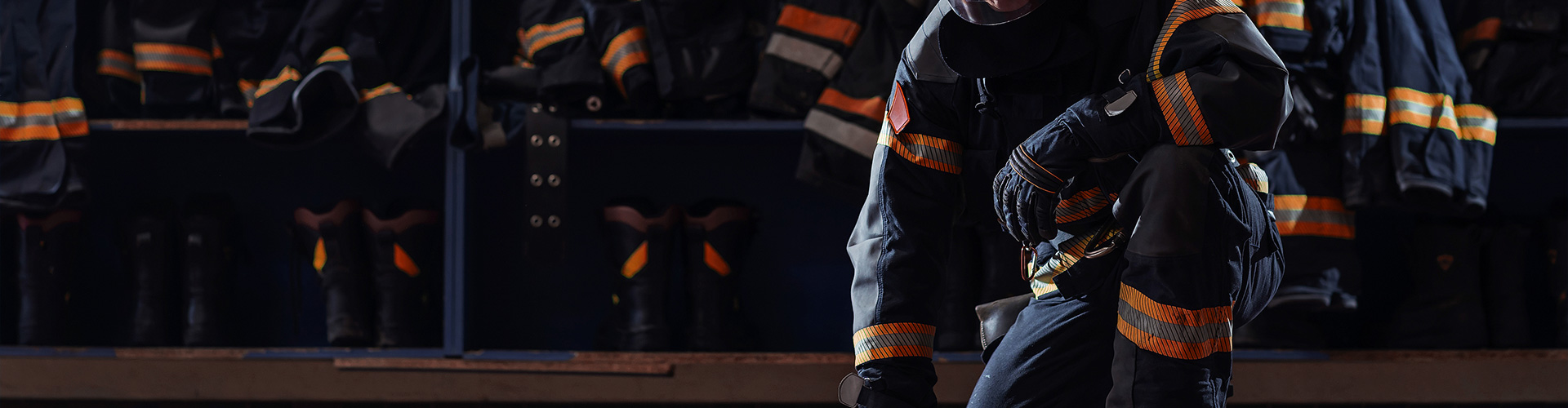
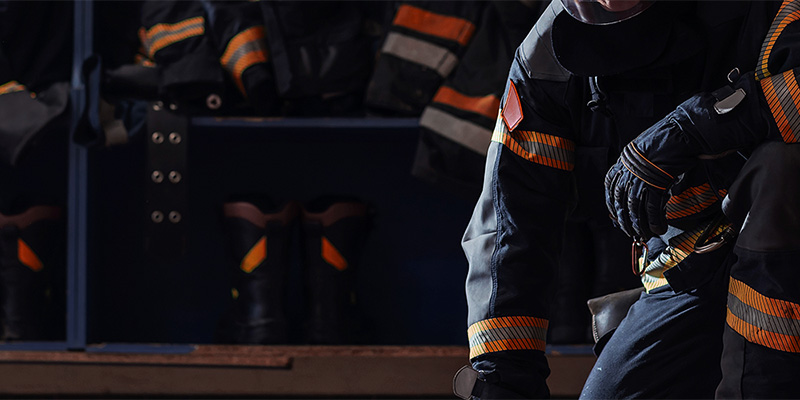
Fire fighting suit is the core safety protective equipment for fire rescuers and emergency workers to resist high-temperature flame, thermal radiation, smoke intrusion and splashing molten materials, serving as the final safety barrier for on-site operations. As a professional fire fighting suit distributor, we always emphasize that the protective performance of fire equipment depends not only on product quality, but also on standardized and standardized safety operation procedures. Standard wearing, thorough inspection, scientific maintenance and timely replacement can maximize the protective value of fire fighting suits, eliminate safety accidents caused by improper use, and fully guarantee the personal safety of operators.
The primary step of safe use is comprehensive pre-operation inspection, which is the foundation to avoid protection failure. Before each mission, users must conduct a full and detailed inspection of the fire fighting suit. First, check the main fabric for cracks, tears, wear, hard aging and burning spots to prevent high temperature and smoke from penetrating through damaged areas. Second, inspect the stitching and seams. In accordance with industry standards, the special sewing thread of fire fighting suits shall not melt or scorch after 5 minutes at 180℃. Any cracked, loose or aging stitching means the suit must be suspended from use immediately. Meanwhile, fully check zippers, hook-and-loop fasteners, cuffs, collars and trouser legs to ensure flexible opening and closing and tight fitting. All matching accessories including helmets, masks, gloves and boot covers shall be intact with qualified air tightness and protection performance. Defective and faulty fire fighting suits are strictly prohibited from operation sites.
Standard wearing procedures are crucial to complete protection. Improper wearing will directly weaken the protective effect. Fire fighting suits shall be worn in the standard order of trousers first then jacket. Adjust the suspender length to fix the waist position and prevent slipping during operation. Fully zip up the jacket and compact the hook-and-loop fasteners to seal all gaps completely and avoid the invasion of smoke and heat. After wearing, conduct an overall check to ensure the suit fits well without wrinkles or exposed skin, and the anti-static and heat insulation structures meet standard requirements. Never omit wearing steps, unzip the jacket or loosen fasteners for convenience, as such irregular operations will destroy the overall protection system and cause major safety hazards.
Standard operation during work is equally important. Fire fighting suits feature excellent flame retardancy, heat insulation and anti-static performance, with the single-piece charge strictly controlled within 0.6μC, which can effectively resist high-temperature radiation and static hazards in fire scenes. However, they cannot withstand long-term direct flame burning or continuous impact of high-temperature molten materials. The single wearing time in high-intensity fire and chemical scenes is recommended not to exceed 60 minutes to avoid performance attenuation caused by long-term high-temperature aging. Avoid direct contact with sharp hard objects, corrosive acid-base substances and oil stains to prevent fabric damage and failure of flame retardant coatings. Keep the suit fully closed during operation and do not remove protective accessories arbitrarily.
Scientific maintenance and storage after operation are essential to extend service life and stabilize protective performance. After rescue operations, clean smoke, stains and residues on the suit surface in a timely manner, wash and dry gently. Avoid direct sunlight exposure and high-temperature baking to prevent aging and deterioration of fabrics and protective coatings. Store the suit in a dry, ventilated, dark and corrosion-free professional warehouse, far away from heat sources, oil stains and acid-base articles to prevent mildew and aging. Establish equipment usage records to track service times, operation scenarios and maintenance conditions for regular inspection and maintenance.
Finally, strictly implement the scrap and replacement standards. Fire fighting suits have fixed service life and loss thresholds. Suits with severe fabric damage, peeling of flame retardant and heat insulation coatings, large-area stitching failure, irreparable aging parts, or those exposed to severe high-temperature burning and corrosion pollution shall be scrapped and replaced immediately even without obvious appearance damage. Never use expired or damaged equipment. Safety is paramount. Standardizing the use of fire fighting suits and adhering to every protection bottom line can effectively guard the life safety of every emergency operator.


© 2026 Youyi Protection Privacy and Security

 CN
CN Return