Protective clothing free shipping, delivered within 5-7 days >>>
Company Tel: +86 755 27087205 Mobile: +86 13662677207 (Same number for WeChat) Email: yy@youyigarment.com

Company Tel: +86 755 27087205 Mobile: +86 13662677207 (Same number for WeChat) Email: yy@youyigarment.com
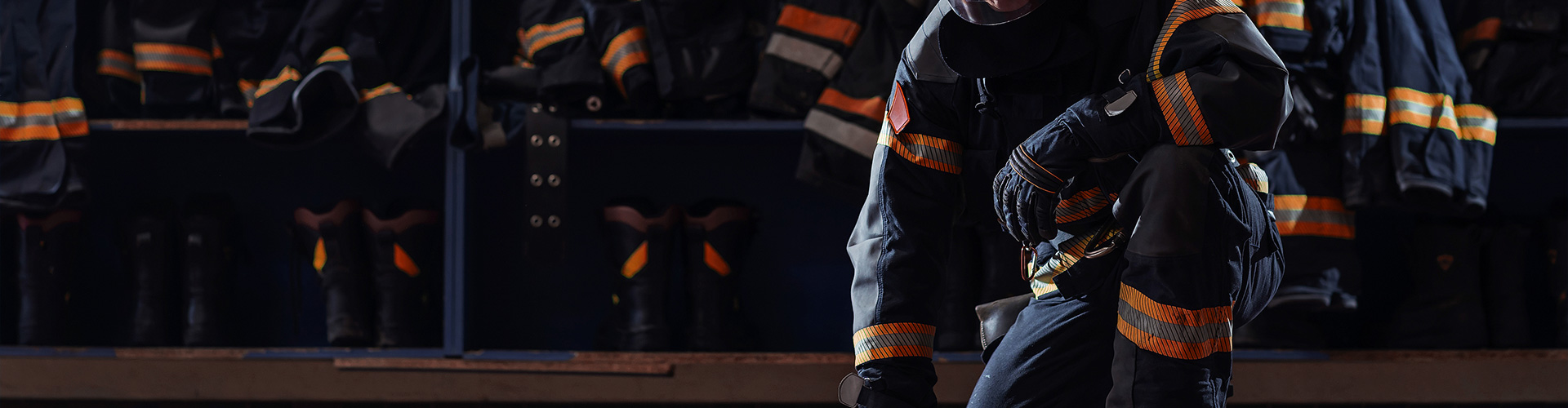
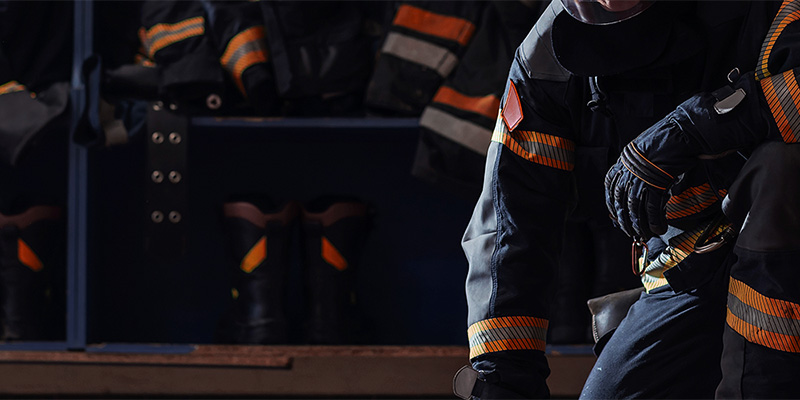
Fire Fighting Suit for Oil and Gas: Professional Safety Protection Equipment Developed Based on High-Risk Working Conditions
The oil and gas industry features concentrated high-risk operation scenarios. Scenarios such as oil and gas exploitation, gathering and transportation stations, refining workshops, gas storage depots, and emergency pipeline maintenance are constantly threatened by compound safety risks including flash explosion, high-temperature thermal radiation, open flame burns, high-pressure oil and gas splashes, and toxic and harmful gas invasion. Traditional general fire fighting suits have many shortcomings such as weak targeted protection, insufficient high-temperature resistance, bulky weight and poor working condition adaptability, which cannot adapt to the extremely complex and exclusive working environments of the oil and gas industry. Based on the core pain points and rigid safety production needs of the oil and gas industry, the R&D team has in-depthly studied the oil and gas safety protection field. With years of working condition research, material experiments and structural iteration, we have independently developed the Fire Fighting Suit for Oil and Gas tailored for the industry. It solves industry pain points through refined R&D systems and professional technological breakthroughs, forming high-standard protective equipment suitable for full-scenario emergency operations in the oil and gas industry.
Guided by the core R&D concept of "working condition adaptation, full safety protection and lightweight practicability", the entire product development process is iterated and optimized based on real operation data of the oil and gas industry. In the early R&D stage, the team conducted in-depth investigations in major oil and gas fields, refining enterprises and emergency fire brigades, collecting thousands of working condition data of oil and gas fires and emergency rescue operations. We systematically summarized the defects of traditional protective equipment: general fire fighting suits fail to resist the high-intensity thermal impact of instantaneous oil and gas deflagration, are prone to fabric aging and protective performance attenuation during long-term high-temperature operation, have bulky shapes that restrict emergency rescue movements, and poor air permeability that causes physical exhaustion of rescuers. Based on massive real working condition data, the R&D team established four core R&D directions including material innovation, structural optimization, performance upgrading and detail empowerment to accurately solve the core protection problems of oil and gas fire fighting operations.
The innovation and iteration of core fabric materials is the top priority of this R&D project. To adapt to the multiple risks of high temperature, deflagration and oil and gas corrosion in oil and gas scenarios, the R&D team abandoned the traditional single-layer protective fabric. After hundreds of experiments on material ratio, flame retardancy, temperature resistance and corrosion resistance, a multi-layer composite functional fabric system was finalized. The outer layer adopts high-modulus inherent flame-retardant fiber material. Through molecular structure modification technology, it achieves permanent flame retardancy, anti-dripping and high-temperature resistance, which can instantly resist instantaneous flame impact above 1300℃, continuously block high-temperature thermal radiation, and avoid protection failure caused by fabric combustion and damage. The middle layer is equipped with a thermal insulation buffer layer with a three-dimensional fluffy thermal insulation structure, which greatly improves static and dynamic thermal insulation performance, effectively isolates high-temperature heat conduction in the fire field, and reduces surface burns of rescuers. The inner layer adopts skin-friendly, breathable and moisture-absorbing fabric. On the premise of ensuring the protection level, it optimizes the air circulation channel, solves the industry pain points of stuffiness, sweat accumulation and heavy weight of traditional fire fighting suits, and adapts to long-term continuous rescue operations in high-temperature oil and gas fire fields.
In terms of structural technology R&D, the team completed all-round structural optimization and upgrading combined with the movement characteristics and operating environment of oil and gas fire fighting and rescue. Aiming at high-frequency movements such as climbing, crawling, rapid sprinting and equipment operation in oil and gas rescue, the ergonomic version was redesigned through three-dimensional cutting technology. It accurately fits the movement track of human limbs, reserves sufficient activity margin for key movable parts, completely eliminates the restraint of traditional fire fighting suits, and greatly improves the flexibility of rescue operations. Targeting at the risks of high-pressure oil and gas splashing and open flame penetration in oil and gas scenarios, an exclusive closed protection structure is developed, adopting double overlapping plackets, heightened three-dimensional waterproof and flame-retardant collars, elastically tightened cuffs and hems, matched with high-strength flame-retardant sealed zippers, to fully block protection gaps and prevent the penetration of oil and gas, open flames and high-temperature water vapor. Meanwhile, the joints adopt flame-retardant edge wrapping and double-line reinforcement sewing technology to improve the overall tear resistance and tensile resistance, adapting to harsh working conditions such as friction, scratching and extrusion in complex fire fields.
To meet the professional emergency operation needs of the oil and gas industry, the R&D team added a number of scenario-exclusive designs. The equipment is equipped with built-in multi-functional concealed protective pockets, which can safely place walkie-talkies, detectors and emergency tools, balancing practicability and protection integrity. The overall fabric is specially modified with anti-static and oil-gas corrosion resistance, which can effectively resist the corrosion of light crude oil and oil-gas media, and avoid secondary deflagration accidents caused by static sparks. Complying strictly with the highest fire protection standards of the oil and gas industry throughout the R&D process, the product has passed dozens of authoritative limit tests including flame retardancy, thermal insulation, corrosion resistance, static resistance and washing resistance. All performance indicators are far higher than the conventional industry standards, fully applicable to full-scenario operations such as oil and gas exploitation fire fighting, station emergency rescue, pipeline leakage disposal and refining workshop fire treatment.
From working condition investigation and material iteration to structural optimization and performance measurement, the Fire Fighting Suit for Oil and Gas takes the real needs of the oil and gas industry as the core of R&D, solves the pain points of traditional equipment through technological innovation, and builds a solid safety protection bottom line with strict R&D standards. The product not only realizes the multi-performance integration of flame retardancy, thermal insulation, static resistance, oil-gas corrosion resistance and flexible operation, but also accurately meets the exclusive protection needs of high-risk oil and gas scenarios. It provides comprehensive, highly reliable and lightweight professional safety protection support for oil and gas fire rescuers, and helps the standardized upgrading of safety production and emergency rescue systems in the oil and gas industry.


© 2026 Youyi Protection Privacy and Security

 CN
CN Return