Protective clothing free shipping, delivered within 5-7 days >>>
Company Tel: +86 755 27087205 Mobile: +86 13662677207 (Same number for WeChat) Email: yy@youyigarment.com

Company Tel: +86 755 27087205 Mobile: +86 13662677207 (Same number for WeChat) Email: yy@youyigarment.com
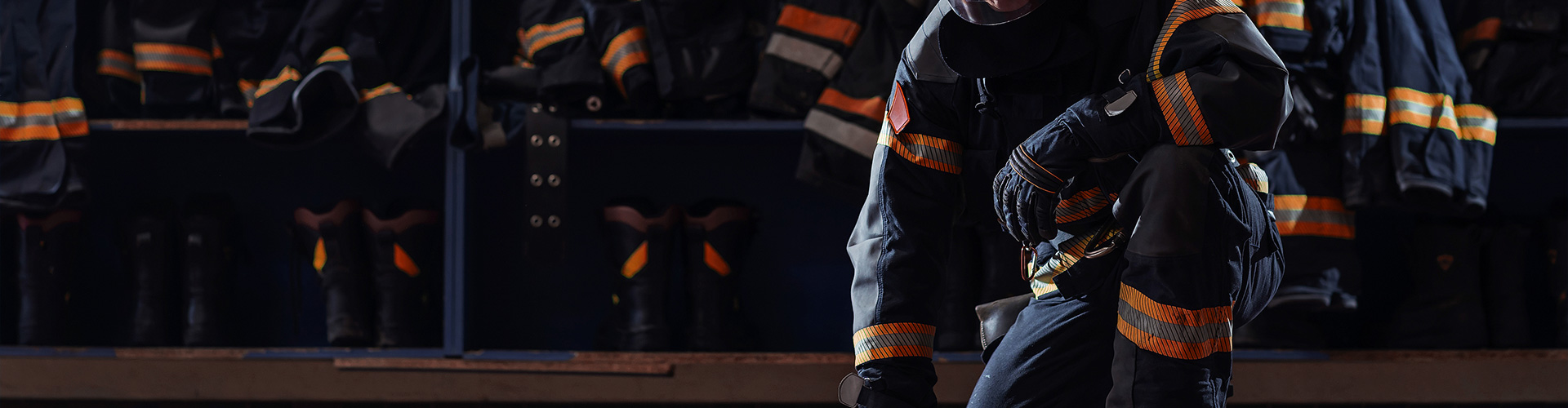

With the continuous upgrading of industrial safety production standards and the expanding scenarios of extreme low-temperature operations, flame retardant cold-proof suits, as core personal protective equipment for high-risk industries in winter, have bid farewell to the primary development stage of single warmth retention and basic flame retardancy. At present, the protective demands in chemical, electric power, oil and gas, mining, outdoor special operations and other fields are continuously iterating. Coupled with the increasingly stringent domestic and foreign safety regulations and the rapid implementation of new material technologies, the flame retardant cold-proof suit industry has entered a brand-new development cycle featuring integrated performance, intelligent products, green production and refined scenarios, becoming a core segmented track with outstanding growth potential and active technological iteration in the labor protection industry.
The implementation of standardized policies is the core underlying driving force for the high-quality development of the industry. In recent years, new domestic regulations such as theSpecification for Personal Protective Equipment Allocation have been continuously improved, adding mandatory standards for flame retardant and cold-proof protection, and clarifying the equipment configuration requirements for high-risk low-temperature operation scenarios, completely reversing the previous industry chaos of "prioritizing warmth over flame retardancy" for winter protective equipment. Meanwhile, occupational safety supervision systems worldwide are increasingly tightening, formulating stricter detailed rules for the flame retardant grade, low temperature resistance, durability and safety detection standards of protective clothing, forcing the industry to eliminate low-end products with backward processes and substandard performance. Driven by policy compliance, the industry has shifted from extensive scale expansion to standardized, high-quality and compliant development, with dual release of market stock replacement and incremental demand, laying a solid foundation for steady industrial growth.
The iteration of new material technologies has achieved a breakthrough upgrade in product protective performance. Traditional flame retardant cold-proof suits generally suffer from the dilemma of unbalanced flame retardancy and cold resistance. Thick fabrics meet the warmth standard but have poor air permeability and limited mobility, while thin and lightweight fabrics are flexible and comfortable but insufficient in flame retardant and cold-proof performance, failing to adapt to the needs of high-intensity special operations. With the large-scale application of new materials such as aramid blended fibers, nano flame retardant coatings, bio-based flame retardant materials and phase-change temperature-regulating fabrics, the technical bottlenecks of the industry have been completely broken. The new flame retardant cold-proof fabrics integrate multiple performances of permanent flame retardancy, low-temperature crack resistance, breathable warmth retention, light weight and wear resistance. They only produce local carbonization in case of open fire without continuous combustion or molten dripping, which can resist open fire and high-temperature spatter risks, withstand extreme low temperatures of tens of degrees below zero, and solve the problems of easy aging, attenuated flame retardant performance and bloated wearing of traditional fabrics, greatly improving the protective safety and operational flexibility of operators.
The refinement of scenario demands has spawned new opportunities for customized and intelligent products. With the continuous segmentation of industrial operation scenarios, universal protective equipment can no longer meet the diversified operational needs. Different scenarios such as outdoor power maintenance, polar exploration, winter chemical maintenance and underground low-temperature mining operations put forward differentiated requirements for additional performances of flame retardant cold-proof suits including waterproofing, ultraviolet resistance, antistatic property, wear resistance and corrosion resistance, making scenario-based customization a mainstream industry trend. At the same time, intelligent protection technologies are accelerating implementation. Intelligent flame retardant cold-proof suits equipped with temperature and humidity sensing, dangerous gas early warning and fire monitoring modules are gradually commercialized, which can real-timely monitor operational environmental risks and synchronously upload data to the safety management platform, realizing the upgrade from passive protection to active early warning and conforming to the industrial development trend of smart construction sites and intelligent safety production.
Green and low-carbon transformation has become the core theme of sustainable industrial development. Under the background of global dual-carbon policies and the green upgrading of the textile industry, traditional high-pollution and high-energy-consumption chemical flame retardant processes are gradually phased out, and environmentally friendly bio-based flame retardants, recyclable flame retardant fibers and water-free clean production processes are widely popularized. Industrial enterprises have continuously optimized production processes, adopted low-energy and low-pollution green manufacturing modes, and iterated products toward lightweight, long-lasting and recyclable directions. This not only reduces environmental losses at the production end, but also cuts replacement losses of terminal products, realizing a two-way balance between safety protection and green development, and promoting the industry to build a low-carbon and sustainable industrial ecosystem.
Overall, the flame retardant cold-proof suit industry is in a dual dividend period of technological innovation and demand upgrading. In the future, with the in-depth integration of new materials, intelligent technologies and green processes, products will achieve all-round upgrading of "high protection, high comfort, intelligence, greenness and customization". Industrial concentration will continue to rise, and low-end homogeneous competition will be gradually eliminated. Enterprises with core technologies, compliant qualifications and customized service capabilities will continuously seize market increments, promote the high-quality and refined development of the special cold-proof protective equipment industry, and build a solid barrier for winter safety production in various industries.


© 2026 Youyi Protection Privacy and Security

 CN
CN Return