Protective clothing free shipping, delivered within 5-7 days >>>
Company Tel: +86 755 27087205 Mobile: +86 13662677207 (Same number for WeChat) Email: yy@youyigarment.com

Company Tel: +86 755 27087205 Mobile: +86 13662677207 (Same number for WeChat) Email: yy@youyigarment.com
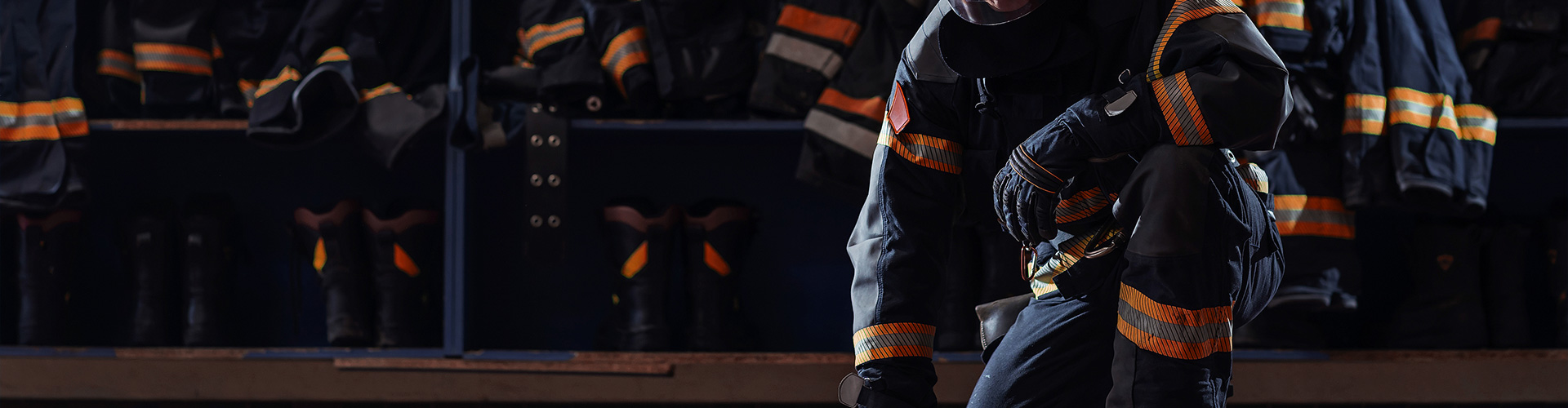
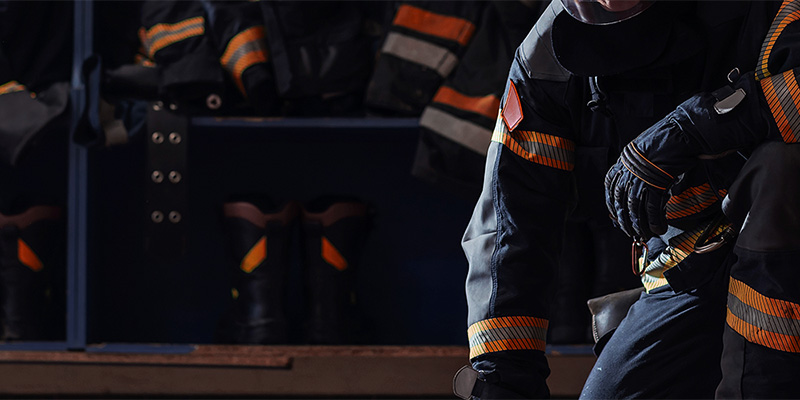
In industries with open flame and high-temperature thermal radiation risks such as petroleum, chemical engineering, smelting and thermal power, thermal protective workwear is core equipment to protect the personal safety of frontline staff. For protective clothing supplied in bulk to overseas markets, apart from stable flame retardant and heat insulation performance, internationally recognized third-party certification is required. EN11612 is a widely accepted global standard for thermal protective clothing, setting clear mandatory requirements for fabrics, structures, accessories and finished product performance. A set of protective workwear that can successfully pass this certification cannot be simply cut and sewn from a single flame retardant fabric. The complete product process chain covers fiber modification, fabric weaving, flame retardant color fixation, pattern design, sewing and assembly, accessory matching, finished product testing and certification verification. The process parameter control of each procedure directly determines whether the finished product can steadily meet the protection levels specified in the standard, and it is also the foundation to guarantee batch consistency during bulk supply.
Fabric carries the performance of the whole set of protective workwear, and fabric production process decides whether the product can meet the basic requirements of EN11612. Inherent flame retardant fibers are commonly adopted as raw materials in the industry. Different from fabrics treated by post-finishing flame retardant impregnation, inherent flame retardant fibers integrate flame retardant components into the polymer structure during the spinning phase, so the protective performance will not decline sharply after repeated washing. In the spinning process, yarn twist and blending ratio are precisely controlled to balance fabric breaking strength, tearing strength and wearing comfort and air permeability. Plain or twill weave structures are selected in the weaving stage, and fabric weight is adjusted according to protection levels to reduce the heavy feeling of fabric and ease physical burden during long-time operation while maintaining heat insulation capacity. After weaving, grey fabrics go through pre-treatment procedures including singeing, desizing, mercerizing and pre-shrinking to remove textile impurities and release residual stress inside grey fabrics, effectively avoiding irregular shrinkage, wrinkling and deformation of finished garments after washing. During the whole grey fabric production phase, the factory continuously samples and tests yarn strength, weight per unit area and dimensional change rate to screen out unqualified grey fabrics in advance and prevent defective fabrics from entering the garment production process.
Fabric post-finishing is a key procedure to stabilize flame retardant performance and meet EN11612 test items. For fabrics adopting post-finishing flame retardant technology, environmental-friendly flame retardant chemicals are used for impregnation treatment. The concentration of impregnation solution, roller pressure, drying temperature and curing time are strictly controlled to ensure even distribution of flame retardant chemicals among fiber gaps, preventing uneven flame retardant effect caused by excessive or insufficient flame retardant chemicals in partial areas. After curing, pre-washing is carried out to remove free flame retardant chemicals on the fabric surface and reduce harmful substance indicators such as formaldehyde and pH value of finished products to meet safe wearing requirements. Anti-static, light fastness and rubbing color fastness treatments are implemented simultaneously in the post-finishing stage to adapt to complex industrial site environments. After fabric post-finishing, the factory sends samples to third-party laboratories for vertical flame test, convective heat test, radiant heat test and other tests. Only fabrics with all indicators reaching the corresponding classification requirements of EN11612 can proceed to the cutting process. This is an important feature distinguishing certified products from ordinary flame retardant workwear.
Cutting process directly affects the pattern accuracy of finished garments and consistency of bulk products. Before formal cutting, fabrics need to be placed and relaxed in a constant temperature and humidity workshop to eliminate tension generated during roll transportation and prevent irregular deformation of cut pieces. Digital nesting software is adopted for cutting layout to improve fabric utilization on the premise of complete cut pieces and control production costs. The numerical control cutting bed completes multi-layer fabric cutting at one time according to pattern files, ensuring the dimensional error of cut pieces in the same batch is kept within a tiny range with smooth and burr-free edges to avoid fiber fuzzing. Reinforcement layer fabrics for stressed parts such as shoulders, elbows and knees are cut separately to reserve materials for subsequent double-layer splicing. Cut pieces are classified and numbered after cutting, ensuring all components of one garment come from the same fabric roll to minimize color difference between finished garments, which is particularly important for quality control of large batch orders.
Sewing and garment structure process is one of the items emphasized in EN11612. The standard sets clear requirements for garment structure. Design of garment plackets, pockets and seams shall not create hidden spaces where flame can easily stay and prevent flame from spreading continuously inside clothing. Flame retardant sewing threads matching the fabric protection level are selected in the sewing process. Ordinary cotton threads or polyester threads cannot be used for certified protective clothing. Parameters of sewing machines are uniformly adjusted to maintain uniform and stable stitch density. Double stitching or backstitch reinforcement is applied on all stressed seams to improve seam tear resistance. Auxiliary parts such as pockets, sleeve tabs and shoulder straps all need reliable reinforcement technology to avoid falling off under high-temperature working conditions. Garment placket design shall meet closure requirements, equipped with flame retardant buttons or hook and loop fasteners to ensure full closure while wearing and reduce invasion of hot air flow. Accessories such as reflective strips must also adopt flame retardant reflective materials complying with EN11612. Accessories shall not reduce the overall thermal protection performance of finished garments. Any accessory failing to reach the equivalent protection level will lead to failure of finished product certification test.
Garment washing stabilization process is a procedure easily ignored by many manufacturers. EN11612 certification test includes assessment of washing durability. Products need to undergo thermal protection tests again after specified washing cycles, and performance attenuation shall not exceed the limit value. After sewing, finished garments go through pre-washing in accordance with standard washing procedures to release fabric shrinkage rate in advance and check potential defects such as seam thread breakage, accessory falling off and fabric color transfer. After pre-washing, low-temperature drying and shaping ironing are carried out to stabilize the overall dimension of garments and correct the flatness of body, trouser legs and cuffs. After the washing stabilization process, the dimensional stability of products reaches the standard. After purchasing bulk products and putting them into use, customers can maintain stable protection performance after multiple cleanings instead of suffering worse protection after repeated washing.
Finished product inspection and certification verification process serve as the final quality checkpoint before delivery. After shaping, internal quality inspectors conduct full visual inspection on finished garments, checking stitch defects, color difference, stains and accessory assembly, and sampling for dimensional measurement. After passing internal sampling inspection, representative samples are sent to qualified third-party laboratories for full set of tests in accordance with EN11612, including limited flame spread, convective heat, radiant heat, molten metal splash and other items. Corresponding protection level codes are obtained based on test results. After passing the tests, products can be marked with corresponding certification marks and protection levels on the garment body as required. During mass production of bulk orders, batch sampling inspection is implemented. Samples are randomly selected from each large batch for re-testing to ensure products of every batch supplied in large quantities can maintain certification standards and avoid the situation where samples pass tests while mass production quality declines.
The complete standardized process system enables protective workwear with EN11612 certification to steadily serve global industries with high-temperature thermal hazards. From fiber, grey fabric, post-finishing, cutting and sewing to finished product certification testing, every process link is designed and controlled around international standards, balancing protection performance, wearing comfort and long-term durability. For overseas buyers, bulk procurement of products with complete certification not only meets local safety production regulations, but also obtains bulk goods with consistent quality relying on stable production technology and reduces on-site safety management risks. Mature process control capability is the core foundation for suppliers to continuously and steadily supply certified thermal protective workwear.


© 2026 Youyi Protection Privacy and Security

 CN
CN Return