Protective clothing free shipping, delivered within 5-7 days >>>
Company Tel: +86 755 27087205 Mobile: +86 13662677207 (Same number for WeChat) Email: yy@youyigarment.com

Company Tel: +86 755 27087205 Mobile: +86 13662677207 (Same number for WeChat) Email: yy@youyigarment.com
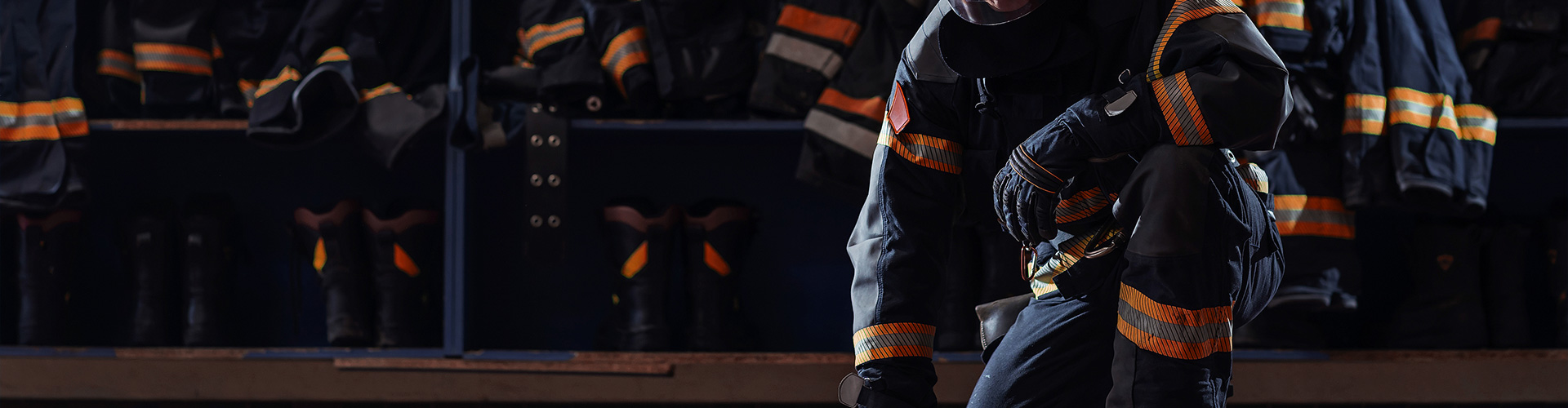
In high-risk working environments with overlapping hazards, the comprehensive performance of personal protective equipment directly defines the safety margin for operators. Conventional split rainwear only delivers partial waterproof protection and leaves many exposed areas unprotected. Its fabric lacks resistance to chemical media and transient open flames, making it unable to cope with complex working conditions such as chemical spills, liquid splashes, static sparks and rainy humid conditions. Full-body integrated rainwear adopts multi-layer composite fabric structure, integrating chemical permeation resistance, flame retardancy, all-weather waterproof capability and physical damage resistance. It delivers complete head-to-toe coverage and builds a continuous, gap-free protective barrier in various hazardous environments, serving as high-performance protective gear essential for hazardous material handling, chemical equipment maintenance and outdoor emergency rescue operations.
Fabric barrier performance forms the fundamental core indicator of this protective equipment. The product uses multi-layer composite barrier substrate, with a dense protective film on the outer layer, flame-retardant modified components in the middle layer, and base fabric providing mechanical strength support. This composite structure is not a simple coating lamination. Instead, multiple materials are tightly bonded through thermal lamination technology to greatly reduce the risk of liquid penetration. In terms of chemical resistance, the fabric has passed special medium tests and can resist splash erosion from weak acids, weak alkalis, inorganic salt solutions and some industrial organic solvents. When corrosive liquid splashes onto the garment surface, the dense outer layer quickly diverts the liquid and delays medium penetration, winning precious time for operators to evacuate and rinse. Unlike ordinary waterproof fabrics that rapidly swell, crack and fail after contacting chemicals, this fabric maintains stable molecular structure when exposed to chemical fog and trace corrosive media. It will not suffer rapid protection attenuation during long shifts, ensuring continuous protection throughout extended operations. Seam sealing is also incorporated into barrier performance design. All stitched joints are sealed with heat-sealed adhesive tape to eliminate penetration risks from pinholes and achieve integrated full-body liquid resistance.
Flame retardant performance serves as a critical safety indicator in hazardous environments. In chemical parks and hazardous material incident sites, hazards such as static discharge, high-temperature equipment and flash fires exist at all times. Ordinary chemical fiber fabrics ignite quickly upon contact with flame and produce molten dripping materials. Hot molten droplets can stick to human skin and cause secondary burns. Modified with stable flame retardant components during fabric production, this full-body rainwear has passed standardized combustion tests. The fabric will not sustain combustion after touching open flame and self-extinguishes once away from fire sources, without molten dripping. Its flame retardant performance does not degrade rapidly under rainwater immersion or humid conditions, which differentiates it from many flame-resistant work garments that only work in dry environments. Humid working conditions are common for outdoor chemical operations. Rainwater mixed with chemical media further amplifies risks. Therefore, the stability of flame retardant performance under wet conditions is a key criterion to distinguish high-performance protective equipment from ordinary products. This performance provides a safe escape window under flash fire and transient spark impact and prevents severe injuries caused by fire.
All-weather waterproofing and environmental weather resistance adapt to rainy outdoor high-risk operations. The integrated hooded design of the full suit allows the hood to work with face shields and respiratory protective equipment. Elastic tightening structures are arranged at cuffs, ankles and waist to reduce ingress of rainwater and liquids through gaps. The composite fabric features stable hydrostatic pressure resistance and prevents water seepage under prolonged rain wash. Meanwhile, the fabric exhibits good temperature resistance. It will not harden or crack under low temperatures, nor soften and deform quickly under high temperatures. Many simple rain protective garments tend to age and harden under large temperature fluctuations in hazardous environments. Cracks appear after bending and damage the protective layer. This fabric has passed cyclic high-low temperature aging tests. It maintains fabric integrity under repeated temperature changes, humidity, wind and sand environmental stress, extending service life and cutting safety management costs from frequent replacements.
Physical mechanical performance determines the durability of the equipment in dynamic working scenarios. In hazardous environments, operators need to climb, bend, drag pipelines and equipment, and the fabric is continuously subject to pulling, friction and scratching. The base material features high tear resistance and puncture resistance, resisting tears caused by sharp object scratches and large limb movements. The fabric abrasion resistance is verified through repeated friction tests, avoiding rapid fuzzing and damage after long-term use. Meanwhile, it balances mechanical comfort for wearers. While maintaining heavy-duty protection, the fabric retains moderate flexibility and will not be overly stiff to restrict body movement. Many heavy protective garments meet protection standards but use rigid and bulky fabrics. Long-time wearing induces operator fatigue and indirectly increases risks of operational errors on site. This full-body rainwear balances protective performance and ergonomics, allowing flexible operation during extended work shifts.
Auxiliary structural performance further completes the closed-loop full-body protection. The one-piece design eliminates protection gaps between jackets and trousers. The hood connects seamlessly with the garment body to avoid neck exposure. The zipper area is equipped with a double storm splash flap to prevent liquid infiltration along zipper gaps. All elastic cuffs pass repeated stretch tests with durable elasticity and resist loosening after repeated wearing. The full suit can be combined with goggles, half-face respirators, protective gloves and safety boots to form a complete personal protection system. Lightweight design reduces heat load during long-time wearing, relieves stuffiness and discomfort, improves wearer experience in confined, humid hazardous environments, and lowers safety risks caused by workers removing protective gear due to discomfort.
Performance verification and working condition adaptability guarantee the practical application of high-performance protective equipment. Every batch of products must complete a full set of physical and chemical performance tests, including chemical permeation test, flame retardant test, hydrostatic waterproof test, tear strength test and aging test. Only products meeting all indicators can be deployed in hazardous environments. The multi-protection capability of this equipment does not excel in a single indicator but delivers balanced and stable multi-dimensional performance. In scenarios such as chemical spill response, open-air hazardous material warehouse inspection, rainy day equipment emergency repair and contaminated environment emergency disposal, multiple hazards coexist. Single-function protective equipment cannot cope, while this full-body rainwear relies on integrated multi-performance design to simultaneously handle chemical splashes, open flame hazards, rain penetration and mechanical abrasion.
With continuous upgrading of industrial safety requirements, protective equipment for hazardous environments no longer only pursues a single indicator, but demands higher standards for comprehensive performance, long-term stability and multi-condition compatibility. With balanced chemical resistance, flame retardancy, waterproof capability and tear resistance, the full-body integrated rainwear eliminates protection blind spots caused by split garments. It provides continuous and reliable full-body protection for operators working in complex hazardous environments. In the future, with continuous advances in material technology, the performance of such multi-functional full-body protective gear will keep improving, further lifting safety standards for high-risk operations and supporting the upgrading of safety production management in chemical and hazardous emergency industries.


© 2026 Youyi Protection Privacy and Security

 CN
CN Return