Protective clothing free shipping, delivered within 5-7 days >>>
Company Tel: +86 755 27087205 Mobile: +86 13662677207 (Same number for WeChat) Email: yy@youyigarment.com

Company Tel: +86 755 27087205 Mobile: +86 13662677207 (Same number for WeChat) Email: yy@youyigarment.com

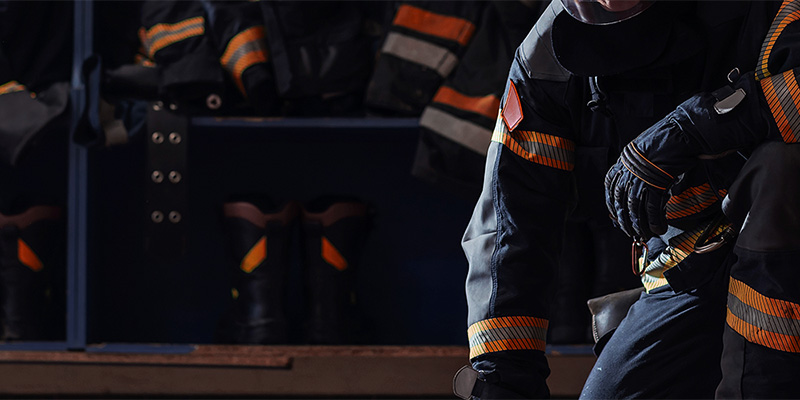
Choosing a suitable fire fighting suit for rescue is a key link to ensure the personal safety of rescue personnel and the smooth progress of fire rescue operations. Fire rescue scenarios are diverse, including urban building fire, forest wildfire, chemical fire, high-temperature industrial fire, and traffic accident fire rescue, and different scenarios have completely different hazard types and intensity. Blindly selecting universal fire fighting suits cannot achieve targeted protection, and even may lead to insufficient protection and safety accidents. Therefore, the selection of rescue fire fighting suits must be based on rescue scene characteristics, hazard factors, operational intensity, and national safety standards to carry out scientific and standardized selection.
First of all, the core protection performance should be taken as the primary selection basis. It is necessary to judge the main hazards of the rescue scene first: for conventional urban building fires dominated by open flame and heat radiation, standard flame retardant and heat insulated fire fighting suits that meet basic fire protection standards can be selected; for chemical fire scenes with toxic, corrosive and explosive hazards, multi-functional composite protective suits with flame retardant, anti-corrosion and anti-toxic penetration functions must be selected; for forest wildfire rescue with long-duration operation and complex terrain, lightweight, flexible and high-wear-resistant forest fire fighting suits are preferred; for high-temperature industrial fire scenes such as boiler rooms and smelting plants, high-temperature heat insulation and anti-molten splash professional suits should be matched. At the same time, it is necessary to check whether the product has formal safety certification and complete performance test reports to ensure that the protective indexes meet industry standards.
Secondly, operational practicability and wearing comfort are important selection factors that cannot be ignored. Fire rescue operations are high-intensity and high-flexibility work, and overly bulky and rigid fire fighting suits will restrict rescue movements and affect rescue efficiency. When selecting, it is necessary to comprehensively evaluate the fabric flexibility, overall tailoring rationality, and weight of the suit, and select lightweight and ergonomically designed products on the premise of ensuring protection. For long-time continuous rescue operations, priority should be given to suits with good breathability, sweat-wicking and heat dissipation performance to avoid physical exhaustion caused by long-term stuffy wearing. In addition, the durability and accessory configuration of the suit should be considered, including the wear resistance of easily worn parts, the high-temperature resistance of zippers and threads, and the matching degree with breathing apparatus and rescue equipment.
Finally, daily maintenance and scene adaptability should be included in the selection scope. Different types of fire fighting suits have different maintenance requirements and service life cycles. In daily emergency reserve scenarios, it is suitable to select products with stable performance, easy maintenance and long service life; in frequent high-intensity rescue scenarios, high-durability and wear-resistant professional suits should be selected. Meanwhile, the size matching should be strictly checked to ensure that the suit fits the body shape of rescuers, avoiding safety hazards caused by oversized or too-tight clothing. Scientific selection of rescue fire fighting suits can maximize the protective effect, effectively reduce the rescue risk of personnel, and provide reliable equipment support for efficient and safe fire rescue work.


© 2026 Youyi Protection Privacy and Security

 CN
CN Return