Protective clothing free shipping, delivered within 5-7 days >>>
Company Tel: +86 755 27087205 Mobile: +86 13662677207 (Same number for WeChat) Email: yy@youyigarment.com

Company Tel: +86 755 27087205 Mobile: +86 13662677207 (Same number for WeChat) Email: yy@youyigarment.com
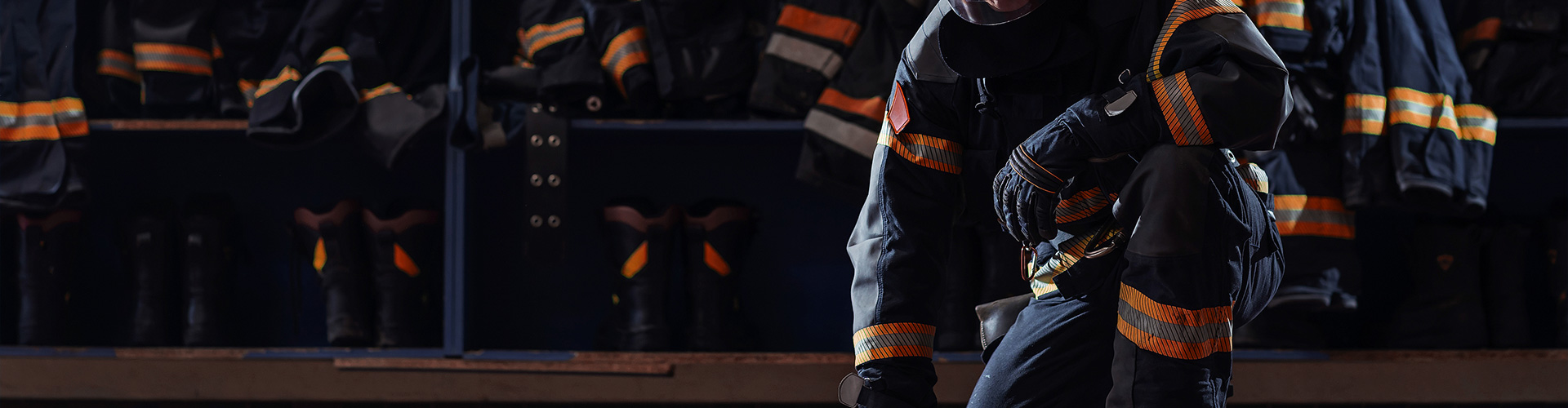
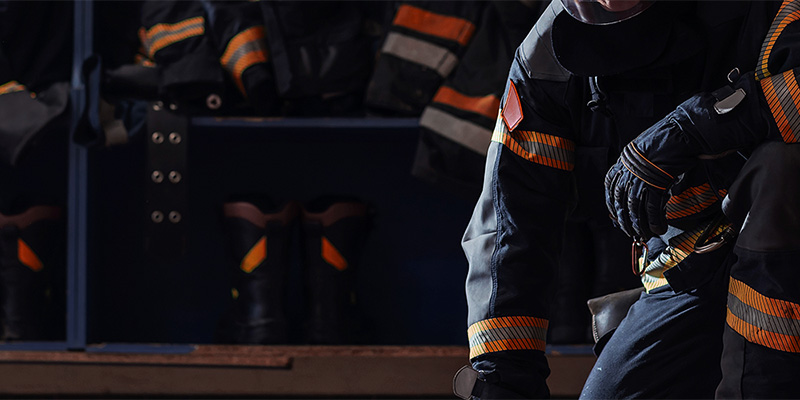
In high-risk operation scenarios such as metallurgical manufacturing, power maintenance, chemical production, welding processing and emergency rescue, high-temperature thermal radiation, open flame splashes and molten metal splashes are the main risk sources threatening the personal safety of operators. Ordinary textile fabrics are extremely prone to combustion, melting and damage when exposed to high temperatures, failing to resist injuries from extreme thermal environments. Professional thermal protective suits can effectively block heat conduction and inhibit flame spread through special functional fabric structures and scientific process designs, providing reliable personal protection for frontline workers. They are indispensable personal protective equipment in the industrial safety production system. With the continuous improvement of domestic safety production specifications, the requirements for compliance, comfort and durability of protective equipment for high-temperature operations in various industries have been continuously upgraded, making high-performance thermal protective suits standard supporting facilities for high-temperature and flammable operation scenarios.
The core protection logic of thermal protective suits is to achieve multiple protective effects of flame retardancy, heat insulation and scald prevention through fabric modification and multi-layer composite structures, which is different from the basic protection attributes of ordinary labor protection clothing. Most of the fabrics are made of high-performance materials such as aramid, flame-retardant cotton and modified polyester, which are processed through professional flame-retardant impregnation, high-temperature curing and thermal insulation coating to fundamentally change the combustion characteristics of the fabrics. When exposed to open flames, the fabrics will not burn continuously or drip molten slurry and can self-extinguish quickly. Meanwhile, the dense fabric structure can isolate convective heat and radiant heat, prevent high-temperature heat from penetrating the fabric and contacting human skin, and effectively avoid scald and burn risks. Compared with traditional protective clothing, modern protective suits abandon the drawbacks of heaviness and stuffiness, and balance wearability features such as air permeability, wear resistance and tear resistance while ensuring protective performance, adapting to the needs of long-term continuous operations.
The quality of product protective performance is controlled by strict production processes and standardized testing systems. Formal protective suits must comply with domestic industrial specifications for protective clothing and international general thermal protection standards. The whole process from fabric selection, weaving process and functional treatment to finished product testing is strictly controlled. The fabric adopts high-density warp and weft weaving technology to improve tear resistance and wear resistance, adapting to complex industrial operation environments. In the functional treatment stage, the dual modification process of environmental-friendly flame retardancy and heat insulation enables the fabric to have stable flame-retardant and heat-insulating properties as well as washing resistance, retaining core protective capabilities after repeated cleaning. The ergonomic design adopts loose cutting, breathable splicing and wear-resistant reinforcement structures, balancing operation flexibility and wearing comfort, avoiding operation restrictions caused by tight clothing and potential safety hazards caused by loose fabric scraping equipment.
In terms of core performance, high-quality thermal protective suits have four major advantages. First, they have stable flame retardant and self-extinguishing performance. They will not burn continuously or produce molten droplets when encountering open flames and spark splashes, which can quickly block the spread of fire and avoid secondary injuries. Second, they have outstanding thermal insulation effects, which can effectively isolate high-temperature radiant heat, contact heat and convective heat, significantly reduce the perceived temperature in high-temperature environments, and reduce the risks of heat stress and scalds. Third, the materials are safe and environmentally friendly with no peculiar smell or toxic and harmful substances, and will not release toxic flue gas in high-temperature environments, ensuring the respiratory safety of operators. Fourth, they have excellent durability. The fabrics are aging-resistant, wear-resistant and washable for repeated use, suitable for long-term and high-frequency operation, and greatly reduce the replacement cost of enterprise protective equipment.
Such protective suits are widely applied in various high-temperature and high-risk operation fields, meeting the exclusive protection needs of different industries. In the metallurgy and casting industry, workers are exposed to high-temperature furnaces and molten metal splashes for a long time. Special protective suits can effectively resist high-temperature splash injuries and continuous thermal radiation, ensuring the safety of smelting and pouring operations. In the power and new energy industry, scenarios such as grid operation and maintenance, power station inspection and new energy equipment construction are faced with hidden dangers of electrical sparks and high-temperature equipment. Protective suits can avoid burn injuries caused by sparks and high-temperature scalds, adapting to outdoor and indoor power operation scenarios. In high-temperature reaction and material handling posts in the chemical industry, the environment features high temperature and flammable media, and protective suits can eliminate the risk of clothing ignition and improve operation safety. At the same time, compliant thermal protective suits are required in scenarios such as welding processing, boiler operation and maintenance, fire auxiliary rescue and industrial high-temperature equipment maintenance to consolidate the safety production line of defense.
In the selection, daily use and maintenance of equipment, compliance management is the key to ensuring protective effects. Enterprises shall select protective suits with corresponding protection levels according to the temperature grade, flame risk and thermal radiation intensity of the operation environment, and avoid replacing high-level protection with low-level equipment. Before daily use, it is necessary to check whether the fabric has damage, aging, coating falling off and other problems. After use, the equipment shall be cleaned and stored in a timely manner to prevent oil stains and chemical residues from adhering to the fabric and affecting the flame-retardant and heat-insulating properties. Meanwhile, aging equipment shall be replaced regularly to ensure that the protective performance always meets standards. With the continuous upgrading of industrial safety technology, thermal protective suits are iterating towards lightweight, high air permeability and multi-functional composite protection. In the future, they will further balance protective performance and wearing experience, providing more comprehensive and reliable guarantees for high-temperature operation safety in various industries.


© 2026 Youyi Protection Privacy and Security

 CN
CN Return