Protective clothing free shipping, delivered within 5-7 days >>>
Company Tel: +86 755 27087205 Mobile: +86 13662677207 (Same number for WeChat) Email: yy@youyigarment.com

Company Tel: +86 755 27087205 Mobile: +86 13662677207 (Same number for WeChat) Email: yy@youyigarment.com
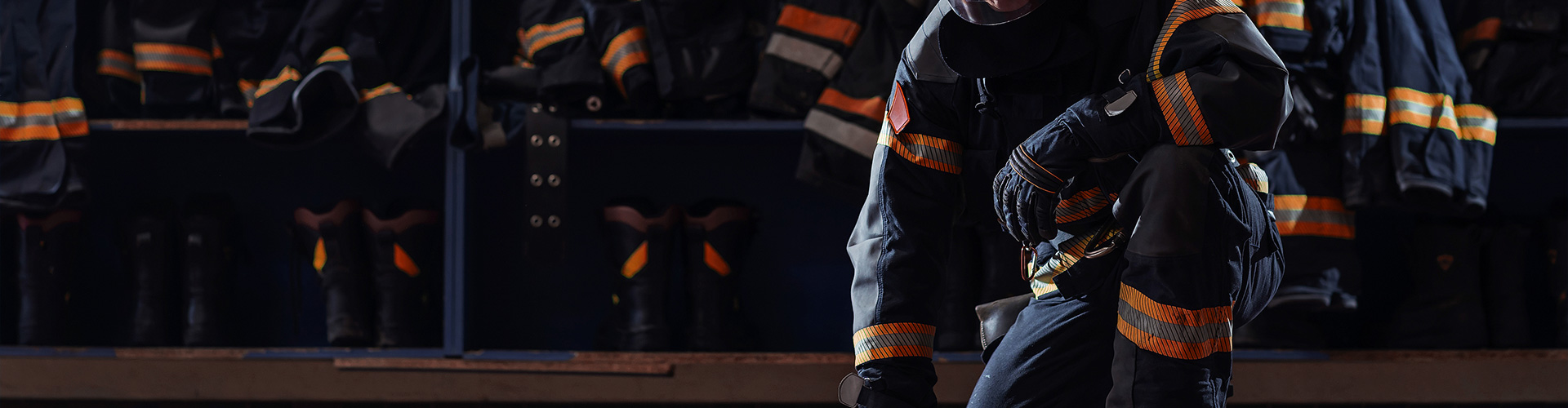
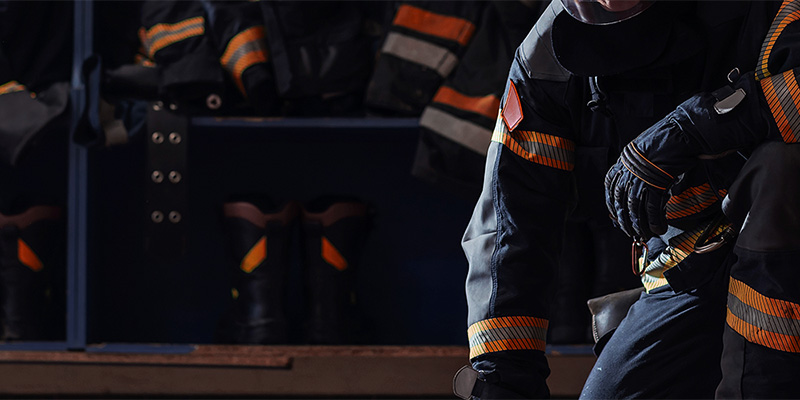
Industrial operations in low-temperature winter environments always face dual potential safety hazards. On the one hand, severe cold weather may cause frostbite, body temperature loss and reduced operational flexibility. On the other hand, on-site risks such as open flames, electrical sparks, combustible gas leakage and molten material splashes persist throughout factories and workshops. Ordinary winter labor protection clothing mainly relies on thermal filling fabrics, which are extremely prone to melting, burning and dripping when exposed to high-temperature sparks. Instead of providing effective protection, they may act as combustion-supporting materials and aggravate the damage of safety accidents. Therefore, in high-risk industries such as petrochemicals, power operation and maintenance, outdoor construction, metallurgy and gas engineering, professional winter protective clothing has become core equipment to ensure the personal safety of frontline workers in winter, meeting the dual needs of low-temperature cold resistance and fire hazard protection, and filling the industry gap of insufficient protection of ordinary winter workwear.
The core advantage of professional winter protective clothing over ordinary warm clothing lies in the dual functional design of materials and structures. Traditional winter clothes rely on chemical fiber and cotton filling for warmth, but such materials are flammable and fusible with major potential safety hazards. Professional protective workwear adopts intrinsically safe functional fabrics. The outer layer is made of high-performance materials such as aramid and modified flame-retardant cotton. Through special textile and modification processes, the fabrics achieve fire self-extinguishing, non-melting dripping and non-combustible properties, eliminating fire risks fundamentally. The inner layer is equipped with a breathable and heat-locking thermal insulation layer filled with high-density heat storage fibers. It blocks external low-temperature air flow and retains human body heat while avoiding chemical fiber melting hazards, realizing the dual compatibility of cold resistance and fire protection, and solving the long-standing industry problem that traditional winter workwear cannot balance warmth and fire resistance.
The production of high-quality protective winter clothing follows strict process standards and structural design specifications, with every detail optimized for both safety and practicality. The fabrics adopt a high-density warp and weft weaving structure to improve tear resistance, wear resistance and aging resistance, adapting to harsh working conditions including outdoor wind and snow and mechanical friction. In the functional treatment process, an environmentally friendly halogen-free flame-retardant technology is applied. After impregnation and curing, the fabrics maintain stable and washable flame-retardant performance, with core protective capabilities unaffected by long-term wear and repeated cleaning. The ergonomic loose three-dimensional cutting reserves sufficient movement space, paired with windproof hems, waterproof outer layers and sealed neck and cuffs to effectively block cold wind while ensuring operational flexibility. Most styles are equipped with high-visibility reflective strips to enhance recognition in low-visibility winter weather such as rain, snow, fog and night, further improving operational safety.
In terms of practical performance, high-quality winter protective clothing has multiple core advantages. Firstly, it delivers stable dual protection. It resists sub-zero low temperatures, wind and frost to lock heat steadily and avoid frostbite, and can effectively withstand spark splashes, transient open flames and high-temperature thermal radiation. It achieves rapid self-extinguishing without molten dripping or flame spreading to prevent burn injuries. Secondly, it provides excellent wearing comfort. Abandoning the bulky and stuffy drawbacks of traditional protective clothing, it adopts a lightweight layered design with breathable performance, balancing warmth and flexibility for long-term continuous outdoor operations. Meanwhile, the fabrics are anti-static, waterproof, stain-resistant and wear-resistant, adaptable to complex working conditions in chemical, oilfield and power industries. With excellent corrosion resistance and aging resistance, it serves a longer service life than ordinary winter workwear and effectively reduces enterprise equipment replacement costs.
Such functional workwear is highly adapted to high-risk winter operations and widely applied in core industrial fields. In the petrochemical and oil and gas extraction industries, outdoor platform operations, pipeline maintenance and refining workshop work in winter are accompanied by both severe low temperatures and flammable gas and flash fire risks. Special protective clothing can resist low-temperature invasion and fire hazards simultaneously to ensure the safety of field operations. In the power operation and maintenance industry, winter grid inspection, power station equipment maintenance and outdoor line construction are prone to electric arc sparks and equipment high temperatures. Protective clothing effectively avoids electrical fire injuries and resists outdoor low-temperature frostbite. In metallurgy, welding and boiler operation and maintenance industries, working environments feature alternating high-temperature sparks and low temperatures. The clothing isolates spark splash injuries and adapts to low-temperature workshop conditions in winter. In addition, compliant protective clothing is mandatory for winter high-risk posts such as outdoor infrastructure construction, gas emergency repair, emergency rescue and mine operations, consolidating the defense line of winter industrial safety production.
With the continuous upgrading of industrial safety production standards, various industries have raised higher requirements for the functionality, compliance and durability of winter labor protection equipment. Multi-functional protective clothing has gradually replaced traditional single warm workwear and become the mainstream choice for industrial winter protection. Compared with ordinary labor protection clothing, it integrates outstanding safety protection, environmental adaptability, long-term durability and lightweight comfort, fully conforming to the refined and standardized safety management requirements of modern industry. In the future, with the iteration of new textile materials and intelligent protection technology, winter protective clothing will continue to upgrade towards lightweight, high air permeability and multi-functional composite protection. It will further balance protective performance, thermal insulation effect and wearing experience, providing more comprehensive and reliable safety guarantees for high-risk operators in various industries in winter, and promoting the quality and efficiency improvement of industrial safety production.


© 2026 Youyi Protection Privacy and Security

 CN
CN Return