Protective clothing free shipping, delivered within 5-7 days >>>
Company Tel: +86 755 27087205 Mobile: +86 13662677207 (Same number for WeChat) Email: yy@youyigarment.com

Company Tel: +86 755 27087205 Mobile: +86 13662677207 (Same number for WeChat) Email: yy@youyigarment.com
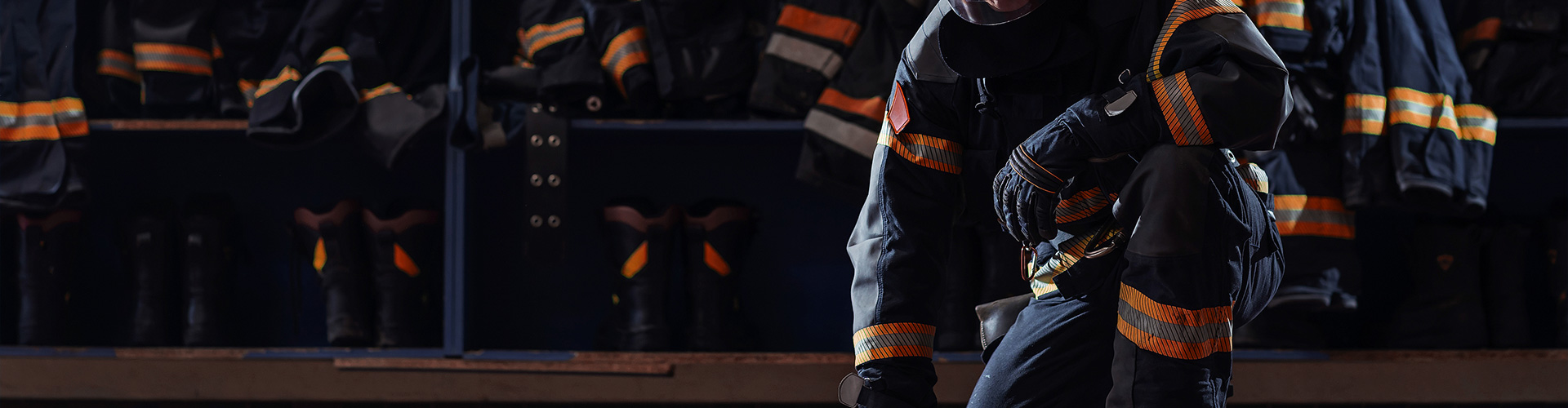
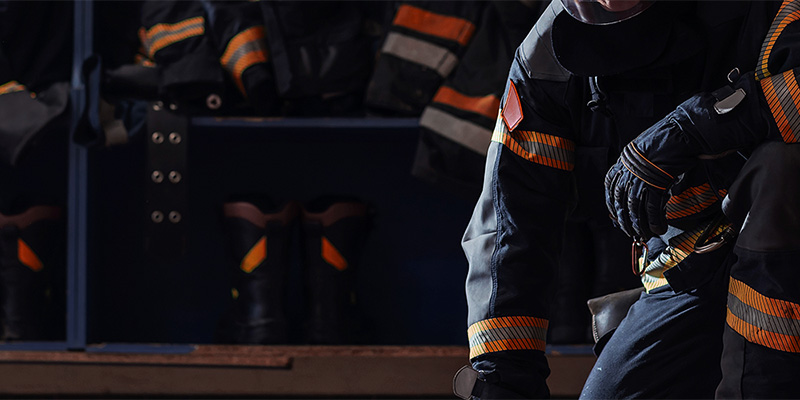
The safety performance limit of industrial flame retardant protective equipment is essentially determined by the microscopic polymer structure of textile fibers. Ordinary textile polymer materials feature poor heat resistance, easy thermal decomposition and active combustion chain reactions, making them incapable of adapting to industrial working conditions with high temperature, sparks and thermal radiation. The core advantage of high-quality industrial flame retardant suits lies in micro technical means such as polymer chain structure optimization, molecular modification and flame retardant group grafting, rather than temporary surface chemical coating. These methods fundamentally change the thermal decomposition and combustion characteristics of fibers, achieving stable, washable and long-term flame retardant protection suitable for long-term and high-frequency operation of industrial workers.
Conventional flammable textile polymers are dominated by linear carbon-hydrogen-oxygen chain structures. When heated, the molecular chains break easily, decomposing into flammable small molecular gases that sustain combustion and release massive heat, causing spreading flames and molten dripping with severe scald risks. Professional industrial flame retardant fibers adopt reconstructed polymer design. Three core modification methods including cross-linked structure forming, flame retardant functional group embedding and crystallinity adjustment thoroughly improve the thermal stability of materials. The optimized dense and stable polymer network structure resists chain segment cracking under high temperature, greatly increases thermal decomposition temperature, reduces the generation of flammable volatiles and cuts off sustainable combustion conditions.
Most high-performance durable flame retardant fabrics adopt intrinsic polymer modification technology. Phosphorus and nitrogen-based flame retardant groups are covalently grafted onto the polymer main chain instead of simply attaching to the fabric surface. These flame retardant molecules form stable chemical bonds with the fiber matrix and will not fall off or fail due to washing, friction or sunlight exposure. Under high temperature, phosphorus functional groups catalyze rapid dehydration and carbonization on the polymer surface to form a dense, continuous and high-temperature resistant carbon isolation layer that blocks oxygen and heat conduction. Nitrogen functional groups decompose and release inert non-flammable gas to dilute flammable gas concentration and inhibit flame free radical chain reactions, realizing dual flame retardant protection of condensed phase and gas phase.
The crystallinity and crosslinking density of polymers directly determine the protective stability and durability of flame retardant clothing. Fibers processed by directional polymerization and high-temperature shaping feature regular molecular arrangement, high crystallinity and compact crosslinking networks, delivering excellent thermal cracking resistance. Facing repeated high-temperature impact and mechanical friction in industrial scenarios, the stable polymer structure avoids loosening, aging and embrittlement, maintaining a complete and reliable protective system for a long time. In contrast, post-finishing flame retardant products only retain free chemicals in fiber pores without changing the original polymer structure. The loss of chemicals after washing restores the flammable characteristics of molecular chains and leads to severe attenuation of protective performance, failing to meet long-term industrial safety standards.
The temperature resistance balance of polymer structures is critical for adapting to complex industrial working conditions. Modified flame retardant polymer materials possess both rigidity and toughness. They will not melt and flow rapidly under high temperature to avoid secondary scalds caused by molten dripping, while retaining molecular flexibility at room temperature to ensure softness, air permeability and wearing comfort, solving the defects of excessive hardness, heaviness and poor air permeability of traditional flame retardant fabrics. Accurate molecular structure adjustment enables protective equipment to balance safety performance and wearing experience, suitable for various industrial scenarios such as workshop operation, outdoor construction and high-temperature equipment maintenance.
In conclusion, the stable protective capability of industrial flame retardant suits is the macroscopic reflection of optimized microscopic polymer structures. Flame retardant modification via chemical grafting, dense crosslinking network construction and precise crystallinity adjustment fundamentally block combustion reactions and improve thermal stability, achieving long-term wash resistance and stable industrial protection. Supported by mature polymer modification technology, standardized industrial flame retardant protective equipment steadily adapts to high-intensity industrial environments and provides reliable and durable high-temperature safety protection for frontline industrial workers.


© 2026 Youyi Protection Privacy and Security

 CN
CN Return